Biography
A clearer introduction before moving into exhibitions, works, movements and Paris venues.
Claude Monet is essential for understanding Impressionism through light, weather, series and changing viewpoints. Expo Paris can connect his best-known paintings to the Musée d Orsay, the Musée de l Orangerie and wider routes on landscape, modern vision and late nineteenth-century Paris. This keeps the focus on looking, atmosphere and museum context.
Claude Monet is best read as a working route through Painting, Sculpture, and Fashion, not as a single isolated name. The useful starting point is to keep biography, material practice and exhibition context together: the page has to explain why the artist matters, which works or mediums give the clearest handles, and how those handles help a visitor move toward real Paris exhibitions, collections and related editorial routes.
The most concrete way to enter the work is through anchor pieces such as Impression, Soleil levant, Les Nymphéas, Cathédrales de Rouen, and La Femme à l’ombrelle — Madame Monet et son fils. They give the page stable reference points: titles, motifs and formats that can be reused when comparing exhibitions, related artists or broader subjects. They also prevent the artist page from staying abstract, because each work pulls the reading back toward visible choices of scale, composition, material and public memory.
Claude Monet also needs an art-historical frame. Reading the page through Impressionism helps place the work inside a wider sequence of experiments, continuities and ruptures. This does not reduce the artist to a label; it gives readers a way to compare influences, departures and later echoes, especially when an exhibition uses one period or one movement as its curatorial entry point.
The related subject routes widen the reading beyond a strict biographical summary. They are useful because many visitors do not start with a complete knowledge of the artist; they start with a question, a medium, a theme or a type of visit. Subject links make the page easier to use as a map: they connect the artist to other works on the site while keeping the main biography legible.
Claude Monet should therefore be introduced through a double movement. First, the page gives enough context to understand why the artist has become a durable reference. Then it turns that context into practical navigation: works, movements, subjects, venues and exhibitions that a reader can follow without needing to know the whole history in advance. This approach makes the page useful both as a first orientation and as a deeper route through the site.
Claude Monet is essential for understanding Impressionism through light, weather, series and changing viewpoints. Expo Paris can connect his best-known paintings to the Musée d Orsay, the Musée de l Orangerie and wider routes on landscape, modern vision and late nineteenth-century Paris. This keeps the focus on looking, atmosphere and museum context. This page helps to connect Claude Monet, the visible exhibitions in Paris, and the most useful biographical milestones. Claude Monet serves as an entry point to connect exhibitions, locations, and a few reliable biographical milestones. Paris remains a natural entry point for Monet: he was born there, several major museums in the city showcase his works, and Impressionism retains a central place in its programming. Claude Monet is easiest to read here through painting, sculpture, and fashion, which helps visitors move beyond a single headline label. Useful anchors include Impression, Soleil levant, Les Nymphéas, Cathédrales de Rouen, and La Femme à l’ombrelle — Madame Monet et son fils, which make the page more concrete when readers compare exhibitions, venues and related editorial routes. Claude Monet also becomes clearer when connected to Impressionism, which gives the page a stronger art-historical frame. Paris remains a natural entry point for Monet: he was born there, several major museums in the city showcase his works, and Impressionism retains a central place in its programming. Claude Monet remains a strong anchor for reading modern art in Paris through painting, sculpture, and fashion. Claude Monet is easiest to read here through painting, sculpture, and fashion, which helps visitors move beyond a single headline label. Even when the linked exhibition catalogue is still thin, this page stays useful as a stable route through works, movements, venues and Paris context. Claude Monet becomes clearer when connected to Impressionism, together with practices and landmark works.
Claude Monet is also useful for comparing how museums tell stories. Some exhibitions foreground chronology, others choose a single medium, a relationship with another artist, a political context or a group of works. A richer artist page has to keep all those possibilities open. It should not promise one final interpretation; it should give readers enough structure to understand why different exhibitions can legitimately produce different versions of the same artist.
For an English-speaking visitor, this context is especially important. Paris pages often need to translate not only language but also cultural orientation: which venue matters, which movement label is useful, which work is a reliable reference, and which route makes sense before or after a visit. The artist page becomes a bridge between general art history and the practical question of what can actually be seen, compared or explored in Paris now.
That bridge also helps with discovery. A visitor may arrive through an exhibition page, a venue page, a movement, a subject hub or a search for Claude Monet. The surrounding context gives each path enough substance to feel cohérent. It explains the artist in plain terms, but it also leaves room for deeper browsing through nearby artists, related movements and venue anchors. In that sense, the page is not only a biography; it is a navigational layer for the whole English corpus.
The strongest reading is to keep returning from the big name to specific evidence: practices, works, places, themes and exhibition choices. When those elements stay visible, Claude Monet becomes easier to approach without becoming simplified. The page can serve first-time readers, visitors preparing à Paris itinerary and readers comparing several artists across the site. That balance between clarity and depth is the editorial role of this English artist guide.
Artistic anchors
The works, movements and practices that make this artist page useful right away.

Movements and connected routes
Artistic anchors
Claude Monet becomes clearer when connected to Impressionism, together with practices and landmark works.
Major works
Major works
- Impression, Soleil levant
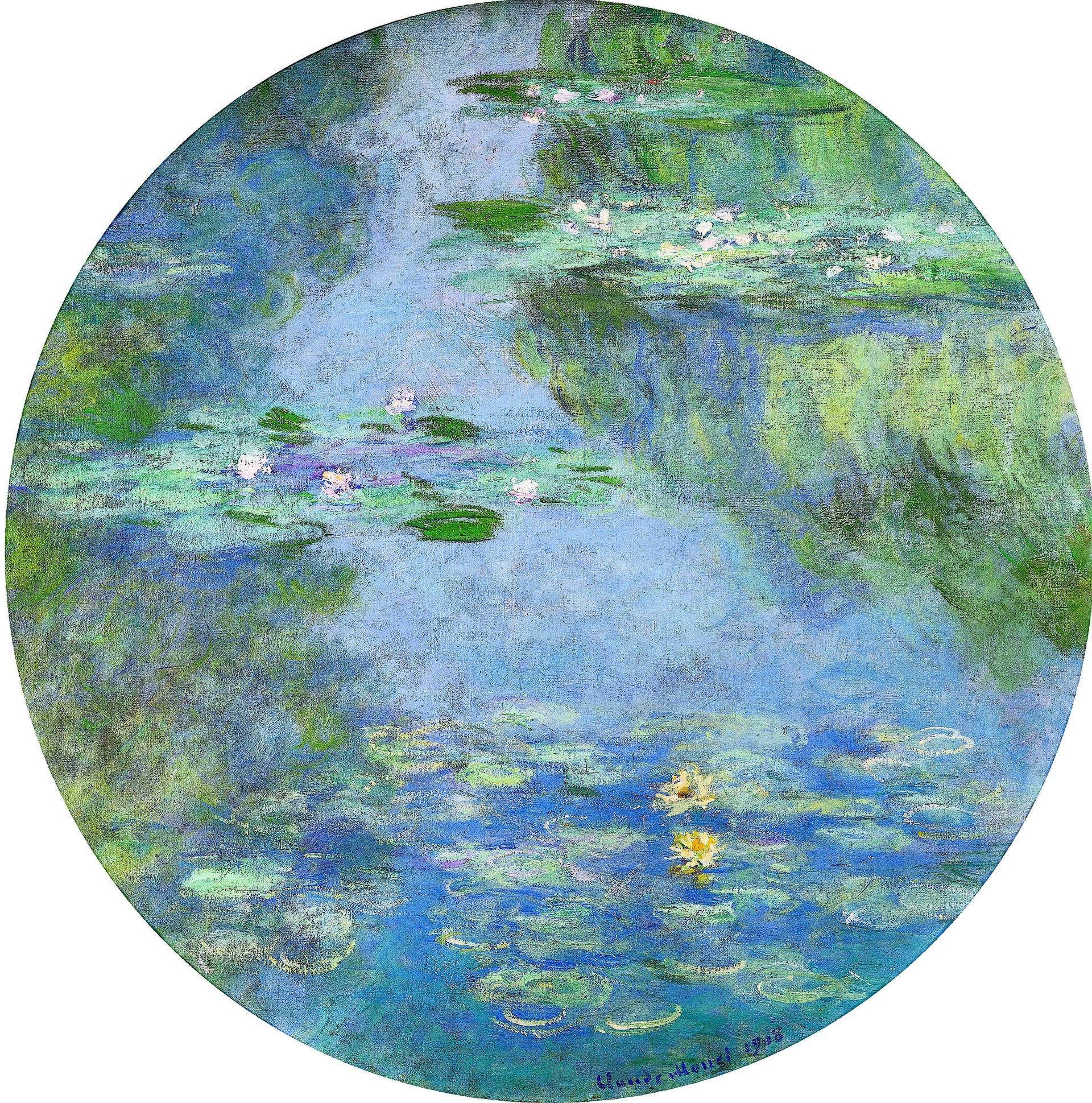
MPKopf - Les Nymphéas

Pierre-Auguste Renoir · Wikimedia Commons - Cathédrales de Rouen
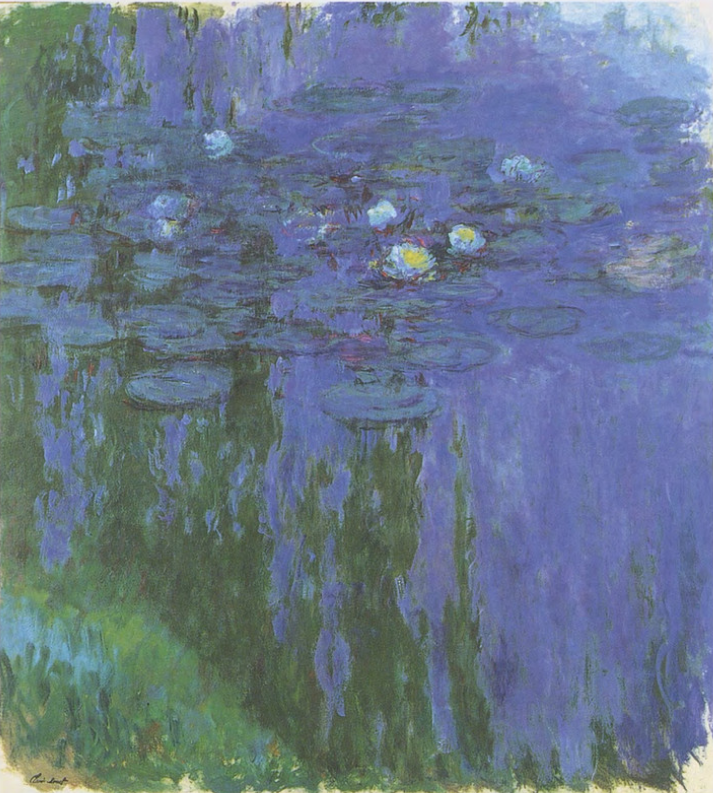
Claude Monet - La Femme à l'ombrelle — Madame Monet et son fils
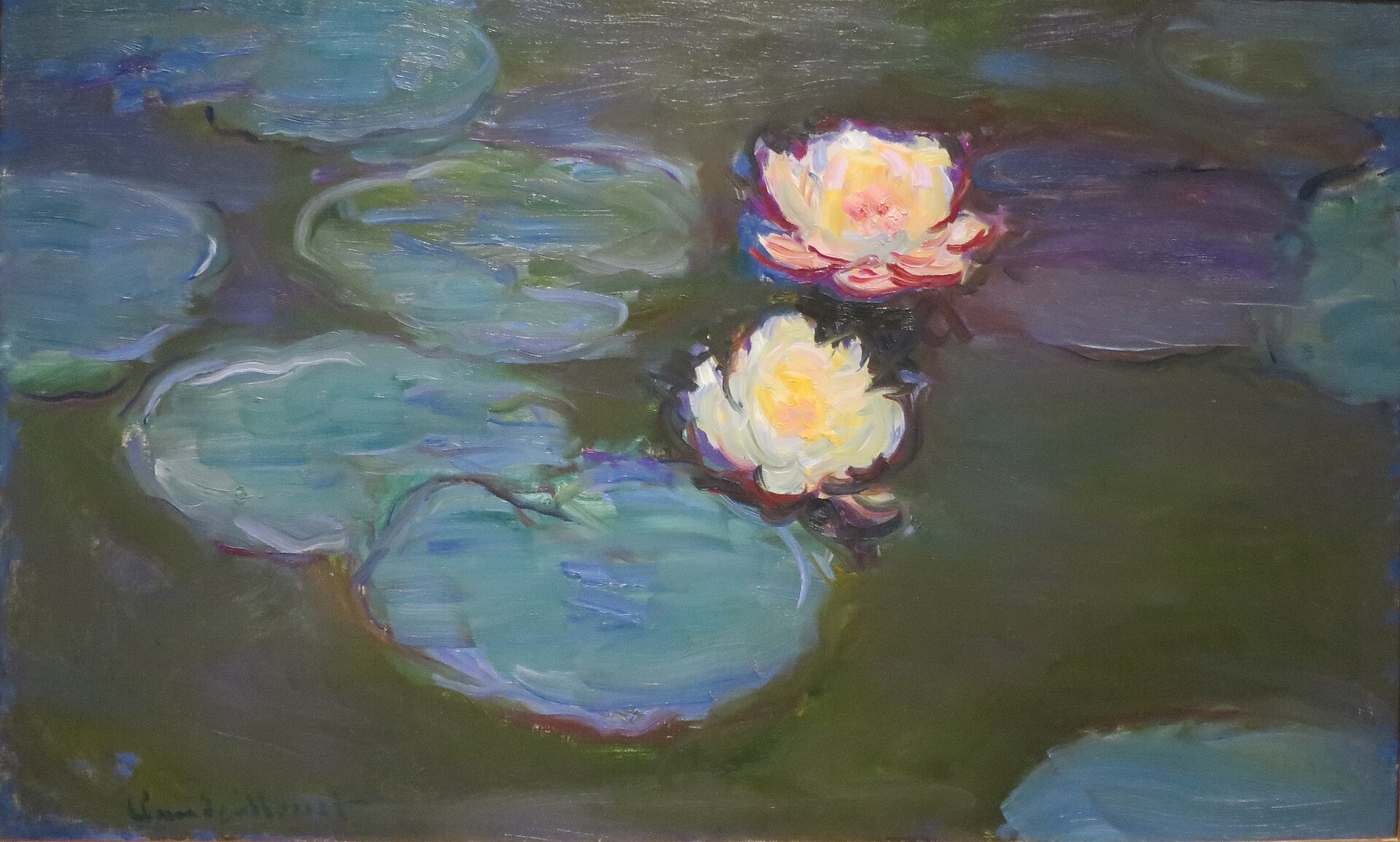
Claude Monet - Terrasse à Sainte-Adresse

Wikimedia Commons - Femmes au jardin

Claude Monet · Wikimedia Commons - Les Meules

musée de Vernon - La Pie

Jean Béraud · Wikimedia Commons
Reading
Key anchors
- Practices: Painting, Sculpture, Fashion
- Landmark works: Impression, Soleil levant, Les Nymphéas, Cathédrales de Rouen
- Movements: Impressionism
- Nearby artists: Artists, Edouard Manet, Edgar Degas
Related subjects
Related subjects
Thematic angles that help extend the reading through a broader subject.

Claude Monet and Paris
A practical reading angle to connect the artist with concrete places and future exhibition routes in the city.
Paris remains a natural entry point for Monet: he was born there, several major museums in the city showcase his works, and Impressionism retains a central place in its programming.
Claude Monet connects to Paris through practical anchors such as Musée d’Orsay, Musée de l’Orangerie, Musée Marmottan Monet, and Musée de la Vie Romantique. These places give the page a concrete geography: not just a general association with the city, but a set of routes where collections, exhibitions, archives or neighbourhood context can make the artist easier to understand.
Paris is also useful because it concentrates different speeds of looking. A museum visit, an archive reference, a neighbourhood walk and a temporary exhibition do not tell the same story. For Claude Monet, the city context helps readers understand how a major artist can be approached through several formats at once: permanent collections, focused displays, related movements and the wider cultural map of the site.
Even when no current exhibition is directly attached, the Paris context remains useful. It keeps the page ready for future programming and gives visitors a stable way to move toward venues, subjects and related artists while the exhibition catalogue evolves.
The Paris angle gives the page one of its clearest uses: helping readers connect an artist’s biography to the cultural geography of the city. It brings together museums, neighbourhoods, collections, exhibition routes and related pages, while keeping the focus on what an English-speaking visitor can actually use before planning a visit.
Decouvrez aussi
Useful routes to continue through movements, subjects and other strong editorial doors.
Related artists
Related movements
Related subjects
Paris venues
FAQ
The fastest way to understand how this artist page should be used.
Where to see Claude Monet in Paris?
The current English visibility is still limited, but this page already works as a stable entry point for following future exhibitions and linked venues.
Which places are the most useful for Claude Monet?
The most relevant Paris anchors are listed directly on this page so you can move faster toward the right venues and collections.
How should I use this artist page?
Use it to connect biography, major works, movements, venues and exhibitions instead of reading the artist only through one isolated headline.