Madame de Sévigné
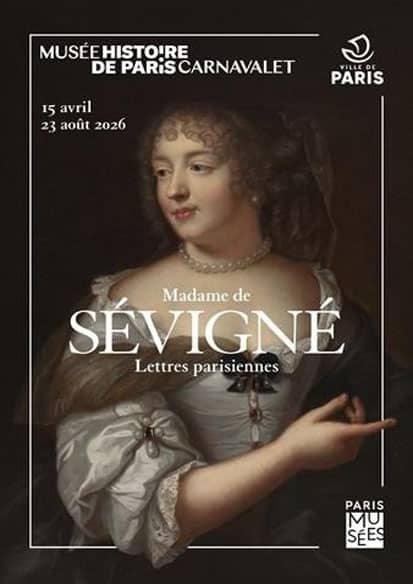
Musée Carnavalet - History of Paris presents an exhibition on Marie de Rabutin-Chantal, the Marquise de Sévigné. This exhibition marks the 400th anniversary of her birth. The tour is presented at Musée Carnavalet, accessible from April 15, 2026, to August 23, 2026. The tour combines documents, works, and contextual ma...


expo.paris — partenaire
The exhibition
Visit description
Musée Carnavalet - History of Paris presents an exhibition on Marie de Rabutin-Chantal, the Marquise de Sévigné. This exhibition marks the 400th anniversary of her birth. The tour is presented at Musée Carnavalet, accessible from April 15, 2026, to August 23, 2026.
What to look for
Identify the iconographic models that structure the composition. Track the evolution of a commission through the exhibited pieces. Compare documents, objects, and narratives to measure an episode over time.
Practical reading
Madame de Sévigné is listed with its main venue, date and booking signals so the page can support planning as well as editorial browsing.
Overview
Musée Carnavalet - History of Paris presents an exhibition on Marie de Rabutin-Chantal, the Marquise de Sévigné. This exhibition marks the 400th anniversary of her birth. The tour is presented at Musée Carnavalet, accessible from April 15, 2026, to August 23, 2026. The tour combines documents, works, and contextual ma...
At Musée Carnavalet, Madame de Sévigné is repositioned within the history of Paris to mark the 400th anniversary of her birth.
On Expo Paris, Madame de Sévigné is most useful when it is read not only as a single event but as part of a broader route through Musée Carnavalet, where exhibitions, artists and editorial themes can be compared quickly in English. This page becomes easier to place when it is connected to Rococo.
For an English reader, the point of this page is also practical: it clarifies the venue, dates and booking context, then opens clear paths toward related exhibitions, artists and subjects so that the visit does not remain isolated. 3 related exhibition pages are already close enough to help compare tone, period or venue.
Why go
Identify the iconographic models that structure the composition. Track the evolution of a commission through the exhibited pieces. Compare documents, objects, and narratives to measure an episode over time. Read labels as context-setting rather than isolated...
Identify the iconographic models that structure the composition. Track the evolution of a commission through the exhibited pieces. Compare documents, objects, and narratives to measure an episode over time. Read labels...
Identify the iconographic models that structure the composition. Track the evolution of a commission through the exhibited pieces. Compare documents, objects, and narratives to measure an episode over time. Read labels as context-setting r...
Related exhibitions
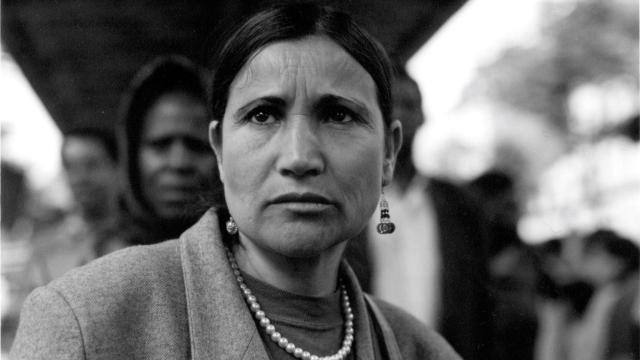
Parisian Faces
is currently on view at Musée Carnavalet.
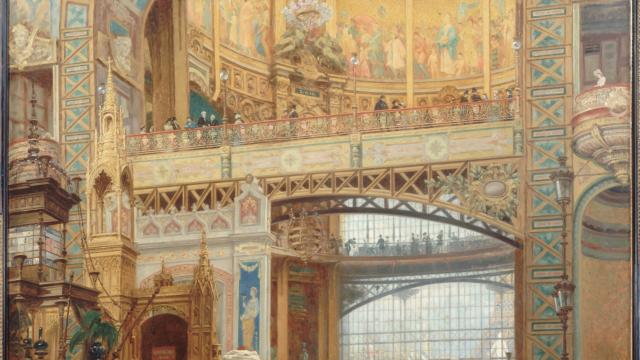
Expositions en cours
is currently on view at Musée Carnavalet.

Expositions
is currently on view at Musée Carnavalet.