Revealing the Feminine. Fashion and Appearances in the 18th Century
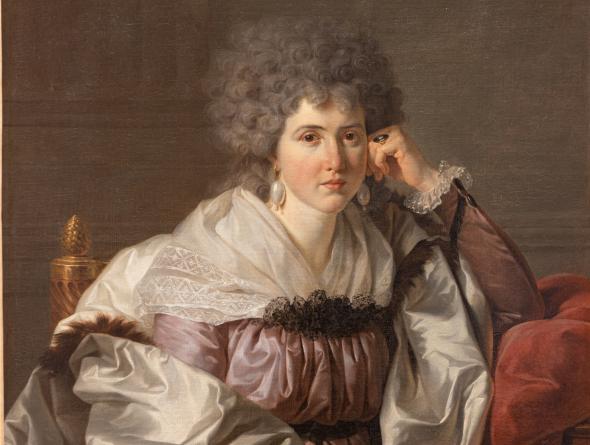
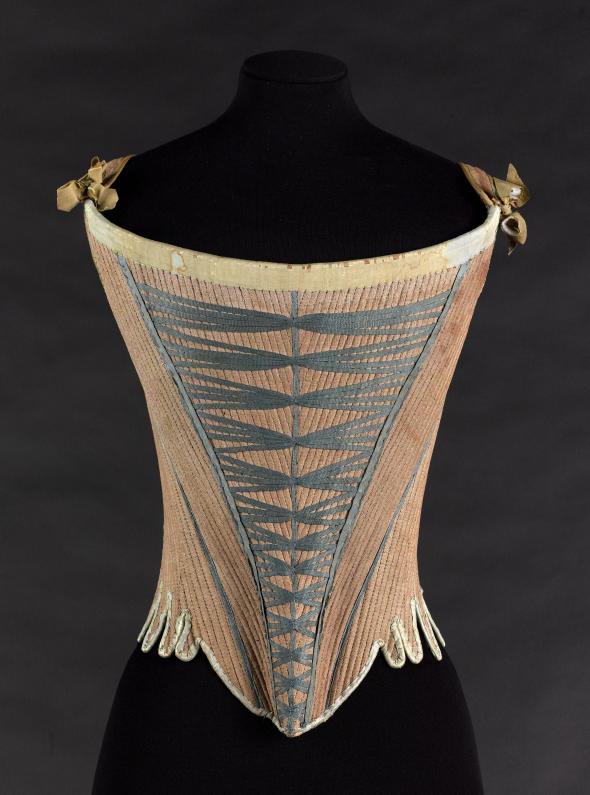
At the Musée Cognacq-Jay, Revealing the Feminine. Fashion and Appearances in the 18th Century explores how clothing, portraiture and social staging produce images of femininity. Presented from March 25 to September 20, 2026 in collaboration with the Palais Galliera, the exhibition brings together portraits, gallant sc...

© Nicaise Perrin / Paris Musées – Musée Cognacq-Jay
The exhibition
Visit description
At the Musée Cognacq-Jay, Revealing the Feminine. Fashion and Appearances in the 18th Century explores how clothing, portraiture and social staging produce images of femininity. Presented from March 25 to September 20, 2026 in collaboration with the Palais Galliera, the exhibition brings together portraits, gallant sc.
What to look for
To see how fashion becomes a social language in 18th-century painting. The dialogue with the Palais Galliera enriches the route through the presence of historic textile pieces. The works make it possible to observe the codes of refinement without separating t.
Practical reading
Revealing the Feminine. Fashion and Appearances in the 18th Century is listed with its main venue, date and booking signals so the page can support planning as well as editorial browsing.
Overview
At the Musée Cognacq-Jay, Revealing the Feminine. Fashion and Appearances in the 18th Century explores how clothing, portraiture and social staging produce images of femininity. Presented from March 25 to September 20, 2026 in collaboration with the Palais Galliera, the exhibition brings together portraits, gallant sc...
At the Musée Cognacq-Jay, portraits, gallant scenes and historic textiles illuminate the codes of femininity, French refinement and their social uses in the 18th century.
On Expo Paris, Revealing the Feminine. Fashion and Appearances in the 18th Century is most useful when it is read not only as a single event but as part of a broader route through Musée Cognacq-Jay, where exhibitions, artists and editorial themes can be compared quickly in English. This page becomes easier to place when it is connected to Rococo.
For an English reader, the point of this page is also practical: it clarifies the venue, dates and booking context, then opens clear paths toward related exhibitions, artists and subjects so that the visit does not remain isolated. 3 related exhibition pages are already close enough to help compare tone, period or venue.
Why go
To see how fashion becomes a social language in 18th-century painting. The dialogue with the Palais Galliera enriches the route through the presence of historic textile pieces. The works make it possible to observe the codes of refinement without separating t...
["Collaboration with the Palais Galliera","Portraits, gallant scenes and historic textile pieces","Works by Maurice Quentin de La Tour, Jean-Marc Nattier, Adélaïde Labille-Guiard and Élisabeth Vigée Le Brun","Focus on t...
["Collaboration with the Palais Galliera","Portraits, gallant scenes and historic textile pieces","Works by Maurice Quentin de La Tour, Jean-Marc Nattier, Adélaïde Labille-Guiard and Élisabeth Vigée Le Brun","Focus on the French style that...
Related exhibitions

Révéler le féminin
is on view at Musée Cognacq-Jay.

Revealing the Feminine
is currently on view at Musée Cognacq-Jay.
Agenda
is currently on view at Musée Cognacq-Jay.