Nouvelle vague
The French New Wave emerged in French cinéma at the end of the 1950s around the critics of Cahiers du cinéma who became filmmakers: François Truffaut, Jean-Luc Godard, Claude Chabrol, Eric Rohmer, Jacques Rivette. The term was popularized in 1957 by.

Description du mouvement
Une lecture synthetique pour situer Nouvelle vague avant de choisir une exposition.
La Nouvelle Vague naît dans le cinéma francais a la fin des années 1950, autour des critiques des Cahiers du cinéma devenus realisateurs: Francois Truffaut, Jean-Luc Godard, Claude Chabrol, Eric Rohmer, Jacques Rivette. Le terme est popularise en 1957 par une enquete de L’Express sur la jeunesse, puis applique au cinéma apres les succes de Chabrol, Truffaut et Godard. Les 400 Coups, prix de la mise en scène a Cannes en 1959, et A bout de souffle en 1960 donnent au mouvement une visibilité internationale.
Ses films privilegient tournage leger, decors naturels, sons directs ou postsynchronises de façon libre, acteurs jeunes, montage visible et recits ouverts. Paris y devient un terrain de marche, de hasard et de conversation, de la rue Campagne-Premiere aux Champs-Elysees, de Montparnasse aux quais de Seine. Agnes Varda, Jacques Demy, Alain Resnais et Chris Marker croisent le mouvement depuis la rive gauche, avec une attention plus documentaire, litteraire ou plastique. La Nouvelle Vague transforme durablement le rapport entre auteur, production et spectateur.
La Cinémathèque française, à Paris, est le musée indispensable pour situer la Nouvelle Vague: ses collections, expositions et projections relient films, affiches, appareils, revues et archives. Le Centre Pompidou programme aussi retrospectives et installations autour de Godard, Varda, Marker ou Resnais. La Bibliothèque nationale de France conserve revues, scenarios et fonds photographiques. Les relectures recentes insistent davantage sur les monteuses, productrices, actrices, lieux de tournage et circulations internationales qui ont elargi le mythe critique du mouvement. Elles montrent aussi le role des producteurs, des salles de quartier, des critiques et des contraintes de budget. La Nouvelle Vague devient alors une pratique concrete de fabrication, pas seulement une attitude de jeunesse. Les cartes de tournage parisiennes rendent ce rapport a la ville immediatement perceptible. Les expositions associent souvent extraits, appareils et photographies de plateau pour montrer ce processus.
Contexte historique et artistique
Les reperes qui aident a comprendre le mouvement dans son epoque, ses sujets et ses filiations.
Origine
Cinéma en liberte
La Nouvelle Vague naît a la fin des années 1950.
La Nouvelle Vague apparait en France a la fin des années 1950 avec de jeunes critiques et cineastes lies aux Cahiers du cinéma. Ils refusent une partie du cinéma de studio, tournent plus leger, filment la rue et revendiquent une liberte d’auteur.
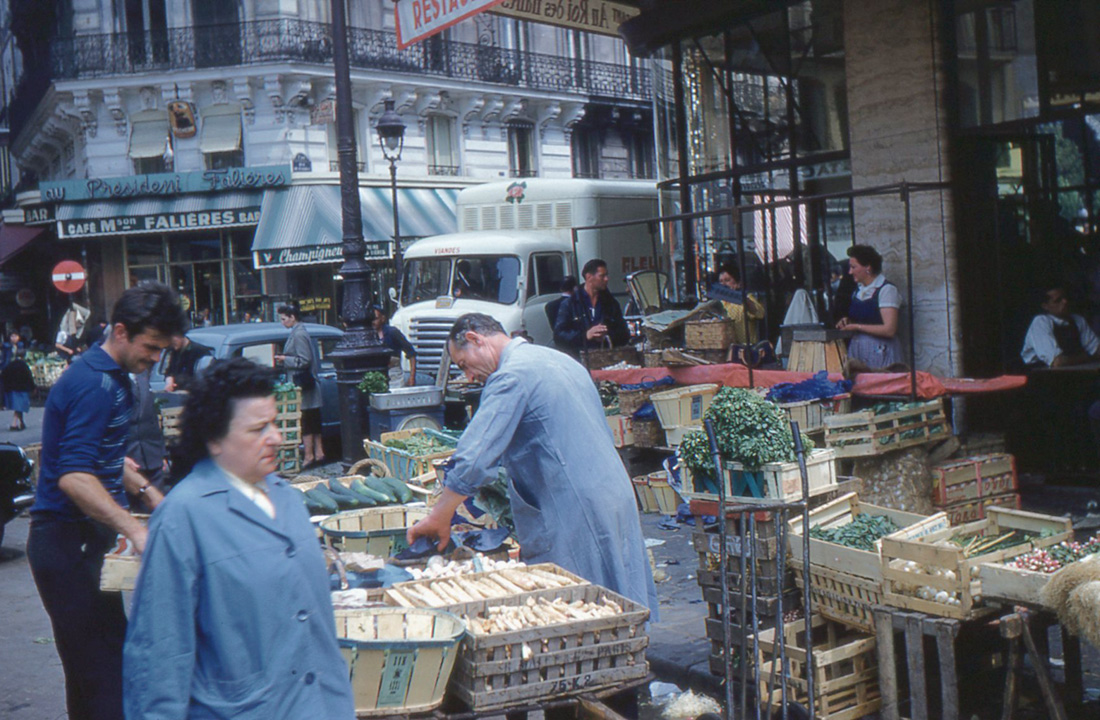
Le contexte parisien est central: cine-clubs, revues, salles, quartiers, cafes et trottoirs deviennent un milieu de création. Le mouvement transforme Paris en décor actif, ou la jeunesse, la circulation et l’imprevu comptent autant que l’intrigue.

Formes
Cadre mobile, montage vif
Le vocabulaire tient au rythme autant qu’a l’image.
On reconnait la Nouvelle Vague aux tournages en décor naturel, a la camera legere, aux ellipses, aux regards camera, aux voix off, aux ruptures de ton, aux jump cuts et a une relation directe avec la lumière disponible.
Dans une exposition, ce vocabulaire peut passer par photographies, extraits, affiches, storyboards, revues ou objets de tournage. Il faut regarder comment le mouvement donne une impression de present saisi avant qu’il ne se fige.

Figures
Godard, Truffaut, Varda
Les cineastes donnent plusieurs visages a la liberte moderne.
Jean-Luc Godard travaille la fragmentation, le texte et la politique de l’image; Francois Truffaut donne une veine autobiographique et romanesque; Agnes Varda relie documentaire, fiction et regard de photographe; Claude Chabrol, Eric Rohmer et Jacques Rivette ajoutent d’autres voies.
Ces figures ne racontent pas un bloc uniforme. La Nouvelle Vague est une constellation de tons: insolence, melancolie, jeu cinephile, attention au quotidien, invention formelle et amour de la ville filmable.

Sujets
Jeunesse et ville
Les themes favoris sont ceux d’un present urbain en mouvement.
Les films et expositions liees au mouvement reviennent vers les couples, l’errance, les cafes, les chambres, les voitures, les librairies, les cinemas, la parole, les ruptures amoureuses et la jeunesse qui cherche sa place.
Paris est souvent plus qu’un décor: les rues, les quais, les passages et les appartements donnent au recit sa respiration. Le sujet principal devient parfois la maniere d’habiter le present, avec legerete ou inquietude.

Heritage
Regard d’auteur
La Nouvelle Vague influence cinéma, photographie et culture visuelle.
Son héritage est immense dans le cinéma d’auteur, le montage moderne, la vidéo, la mode, la photographie de rue et les expositions sur l’image en mouvement. Elle a rendu legitime une forme plus libre, plus personnelle, parfois plus fragile.
Les relectures contemporaines interrogent aussi ses angles morts: place des femmes, mythologie masculine du cineaste, conditions de production, representation sociale. Le mouvement reste vivant parce qu’il invite a refaire les images avec peu de moyens et beaucoup de regard.
Oeuvres ou figures emblematiques
Quelques points d'entree pour relier le mouvement a des artistes et a des oeuvres visibles.
Figure repere
Agnès Varda
Agnès Varda compte parmi les noms a suivre pour comprendre Nouvelle vague dans le corpus Expo Paris.
FAQ
Comment reconnaître une exposition liée à la Nouvelle Vague?
Cherche la ville, la jeunesse, le cinéma, le montage, la mobilité du regard et une impression générale de liberté de ton et de forme.
La Nouvelle Vague ne concerne-t-elle que le cinéma?
Elle part du cinéma, mais aide aussi à lire des expositions où photographie, culture visuelle, ville et regard moderne dialoguent très fortement.
Pourquoi ce repère est-il utile à Paris?
Parce que Paris est l’un des grands décors et l’un des grands imaginaires du mouvement. La page permet de relier très vite cinéma, rue et modernité urbaine.
Qu’est-ce qu’il faut regarder en premier?
Commence par le rythme, la place de la rue, le rapport au présent et la liberté du cadre ou du montage. C’est souvent là que l’esprit Nouvelle Vague devient lisible.
Quelle différence avec une simple exposition de cinéma?
La Nouvelle Vague désigne moins un sujet qu’une manière de voir: plus libre, plus urbaine, plus mobile, souvent plus sensible au présent qu’à la reconstitution patrimoniale.