Contemporary era refers to the current period of creation, characterized by installation, performance, video, digital imagery, situated narratives, and global issues. It is not merely a classification label: it is a way of understanding what exhibitions show, the questions they raise, and the audiences they may reach. Historical context is essential. Since the end of the 20th century, contemporary art has dialogued with globalization, ecology, colonial memories, gender, technology, and new forms of participation. Reading an exhibition through this lens allows one to place works within both a chronology and various uses: commission, collection, transmission, criticism, market, memory, or experimentation. Exhibitions can facilitate dialogue between emerging artists, recognized figures, collectives, archives, in-situ commissions, social practices, and digital research. Within the Expo Paris corpus, this hub serves as a transversal reference point, even when few exhibitions are yet attached to it. It prepares for future interconnectivity and helps to identify exhibitions belonging to this field. The contemporary era matters because it places art at the forefront of present-day debates. It turns the museum into a site of research, friction, and shared narrative. To prepare a visit, it is useful to observe dates, mediums, lenders, the role of archives, the presence of female artists or lesser-known scenes, as well as proposed links to other themes, movements, and Parisian locations.
Contemporary era
Contemporary era is a key period to follow in order to understand the current state of creation, characterized by installation, performance, video, digital imagery, situated narratives, and global issues; this page gathers exhibitions and the.
Period overview
Useful background to understand this period and the linked exhibitions.
How to use this page
A practical reading of the period through linked artists, movements and subjects already present on the site.
Contemporary era is useful on Expo Paris because it places exhibitions inside a readable chronology instead of leaving them as isolated events. 21 linked exhibitions already give this page a concrete editorial role in the English navigation.
Movements like Conceptual Art, New Wave, and Pop art help explain its formal and cultural tensions.
Key anchors
Short cues to read this period across exhibitions, artists and related editorial pages.
- Use the contemporary era as a reading frame for the present cultural environment, not only as a loose date marker.
- This page is especially useful when exhibitions combine living practices, institutional visibility and current social or visual questions.
- On Expo Paris, it should help readers connect broad present-day curiosity with more precise routes on scenes, artists and subjects.
Core reading anchors
Direct links to the artists, movements and subjects that make this period easier to browse in English.
- Conceptual Art - 4 exhibitions
- New Wave - 1 exhibition
- Pop art - 1 exhibition
- Modern art
- Cinema and photography
- Contemporary African fashion
- Contemporary art fairs
- Jean Dubuffet
- Contemporary art
- Society
Useful editorial routes
A few strong pages to keep reading this period through movements, subjects and exhibition clusters already visible on the site.
These routes are especially helpful when the period works as a broad historical frame rather than as a single style label.
Core editorial routes
Stable English routes that keep this period connected to the main catalogue and discovery layers.
These routes preserve a reliable reading path in English, even before every related historical branch has been reopened in strict mode.
Linked exhibitions
Exhibitions already available through this period page.
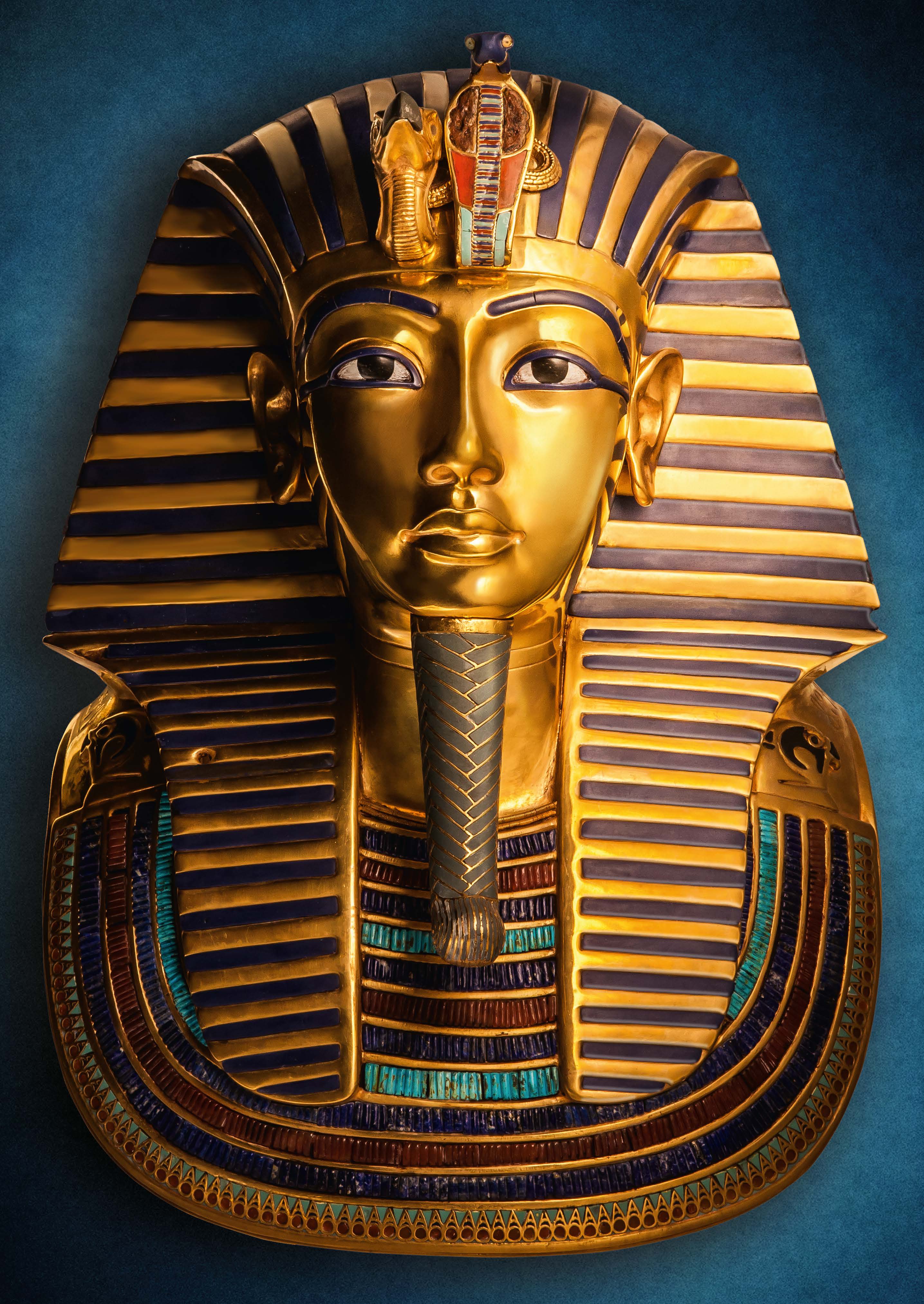
Tutankhamun: his tomb and its treasures returns to Paris Expo Porte de Versailles in 2026
is currently on view at Paris Expo Porte of Versailles.

Beyond the Streets: Legends of Graffiti and Street Art at La Grande Halle de La Villette
is currently on view at La Grande Halle of the Villette.
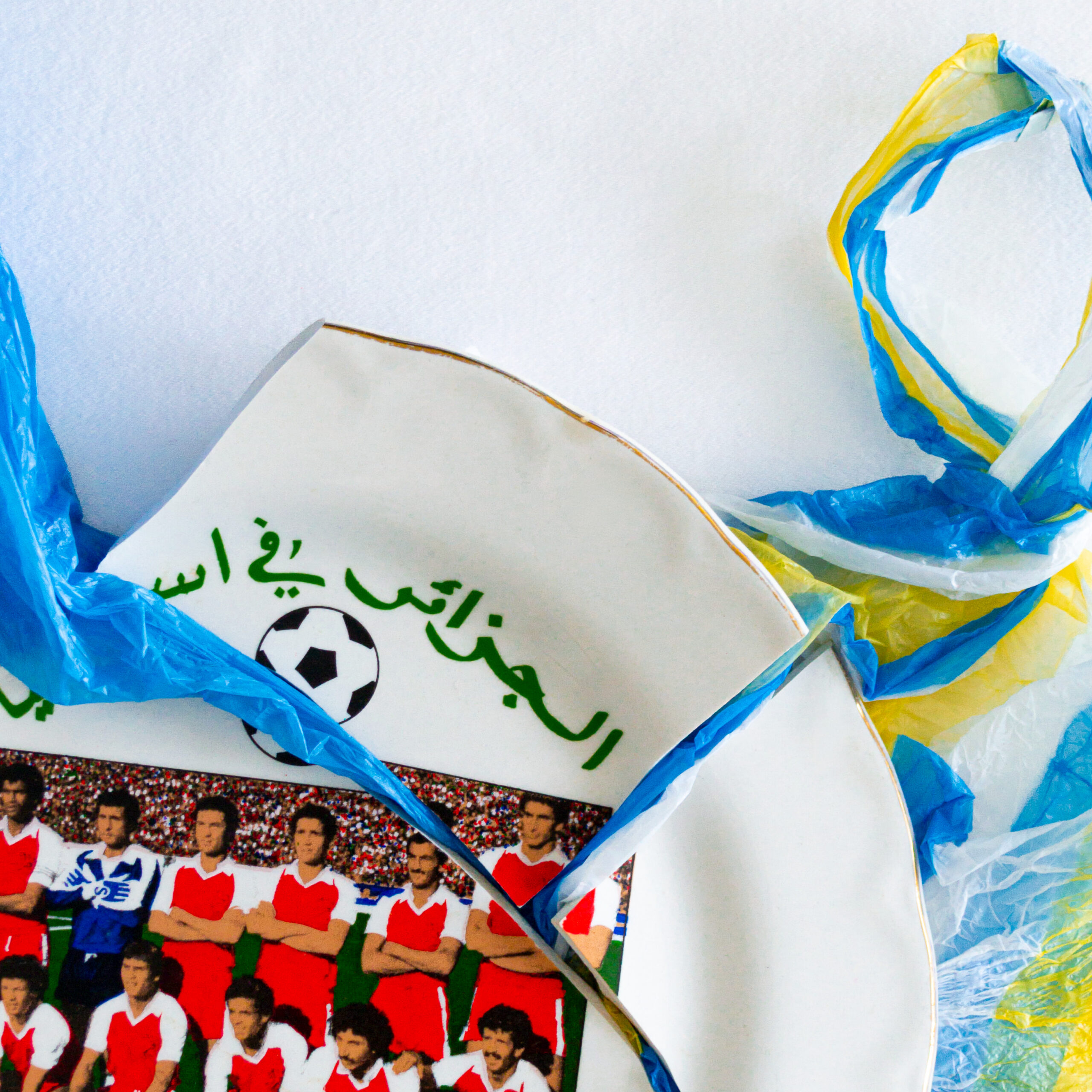
Prolongations
is currently on view at Institut of Cultures d'Islam (ICI).
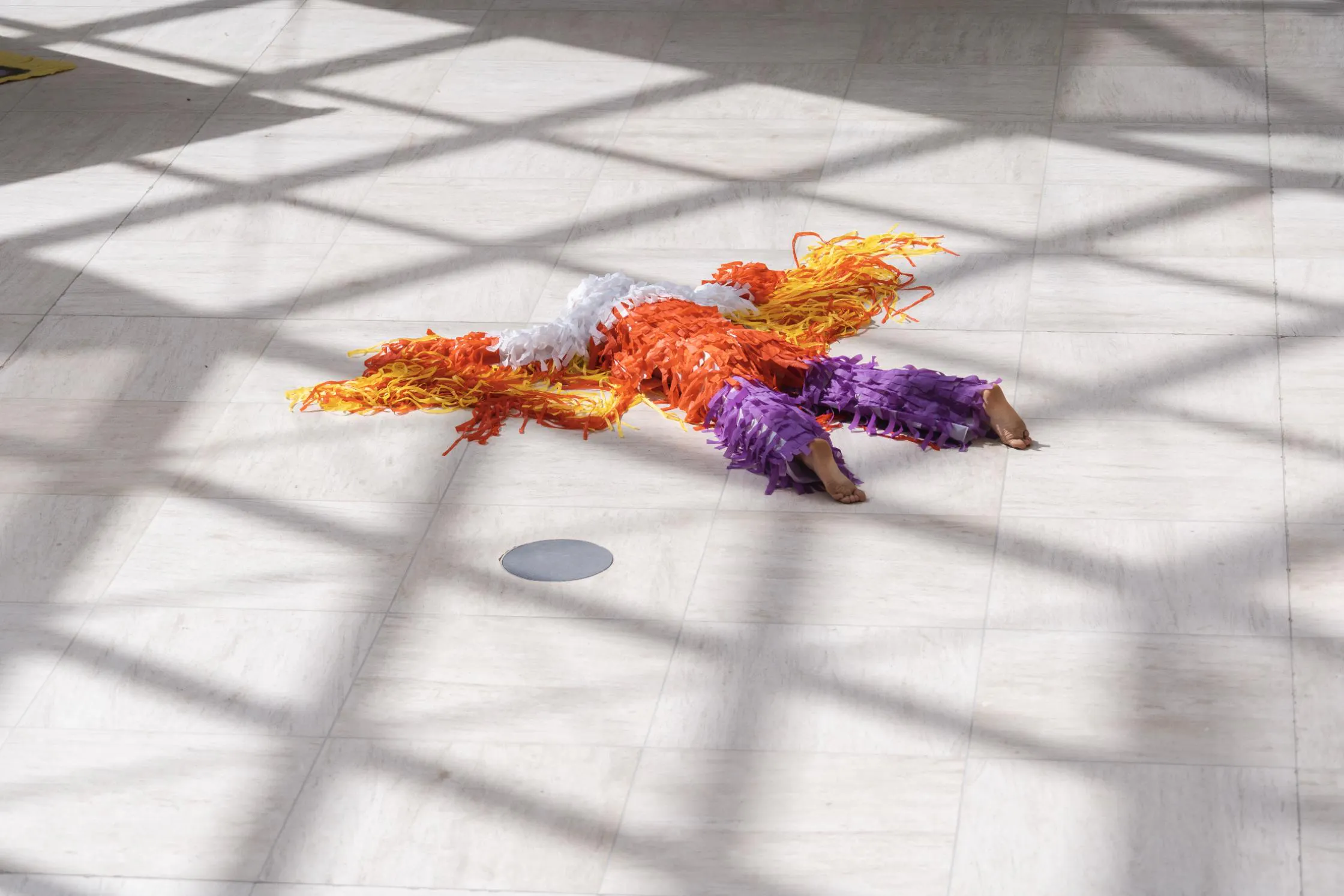
An Assembly of Gestures (Episode 1)
is currently on view at Magasins Généraux.

"William Klein: Films, Etc.": a retrospective at the MEP
is currently on view at House Européenne of the Photographie.
Aux origines. Regards d'artistes sur le racisme et les discriminations
is currently on view at Palais de la Porte Doree.

Bricks of Wonder: the family exhibition created using famous building bricks in Paris
is currently on view at Espace Champerret.
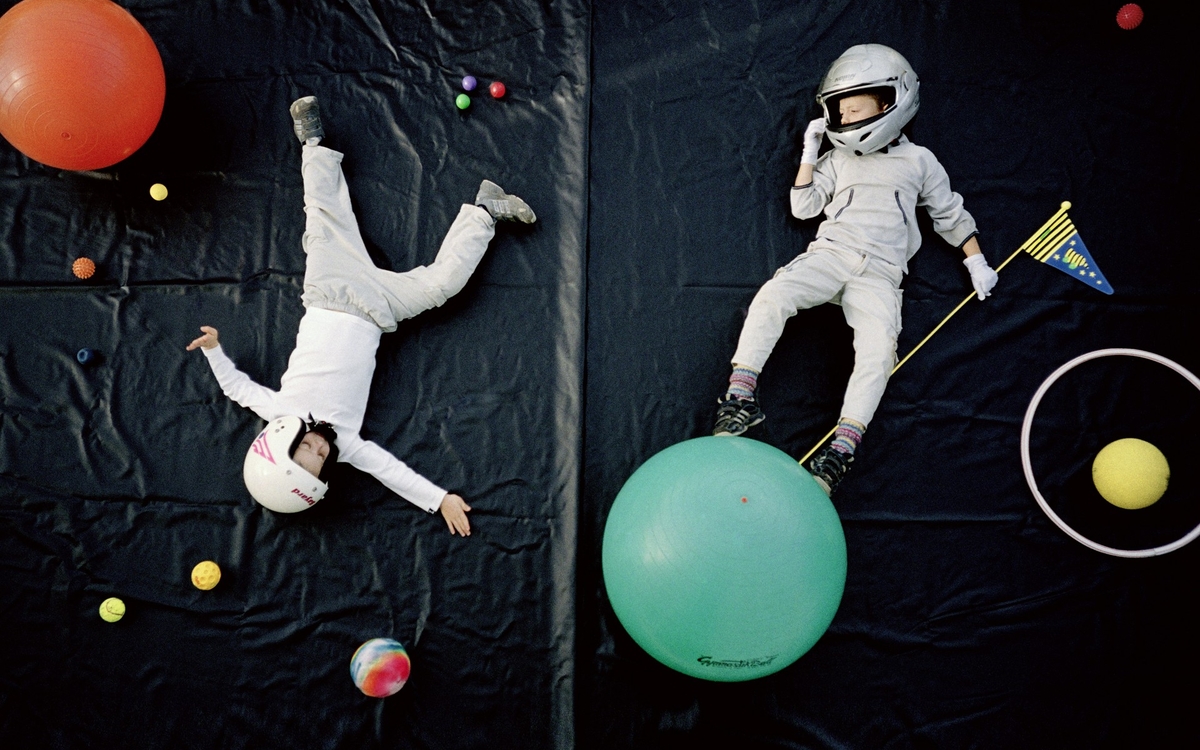
Dans les airs
is currently on view at Library Benjamin Rabier.
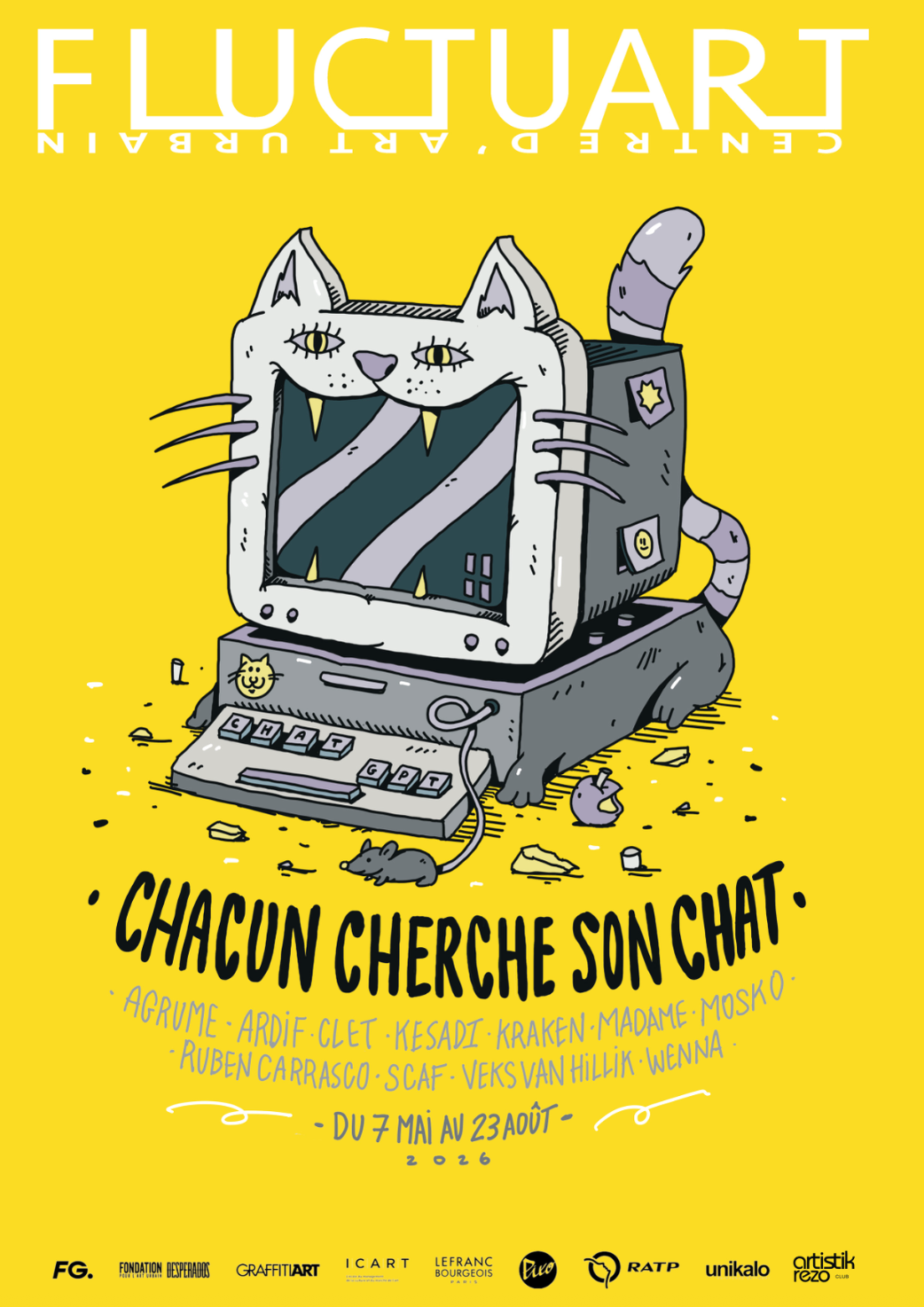
Everyone's Looking for Their Cat: A Street Art Exhibition Focused on the Feline at Fluctuart
is currently on view at Fluctuart Centre Dart Urbain.
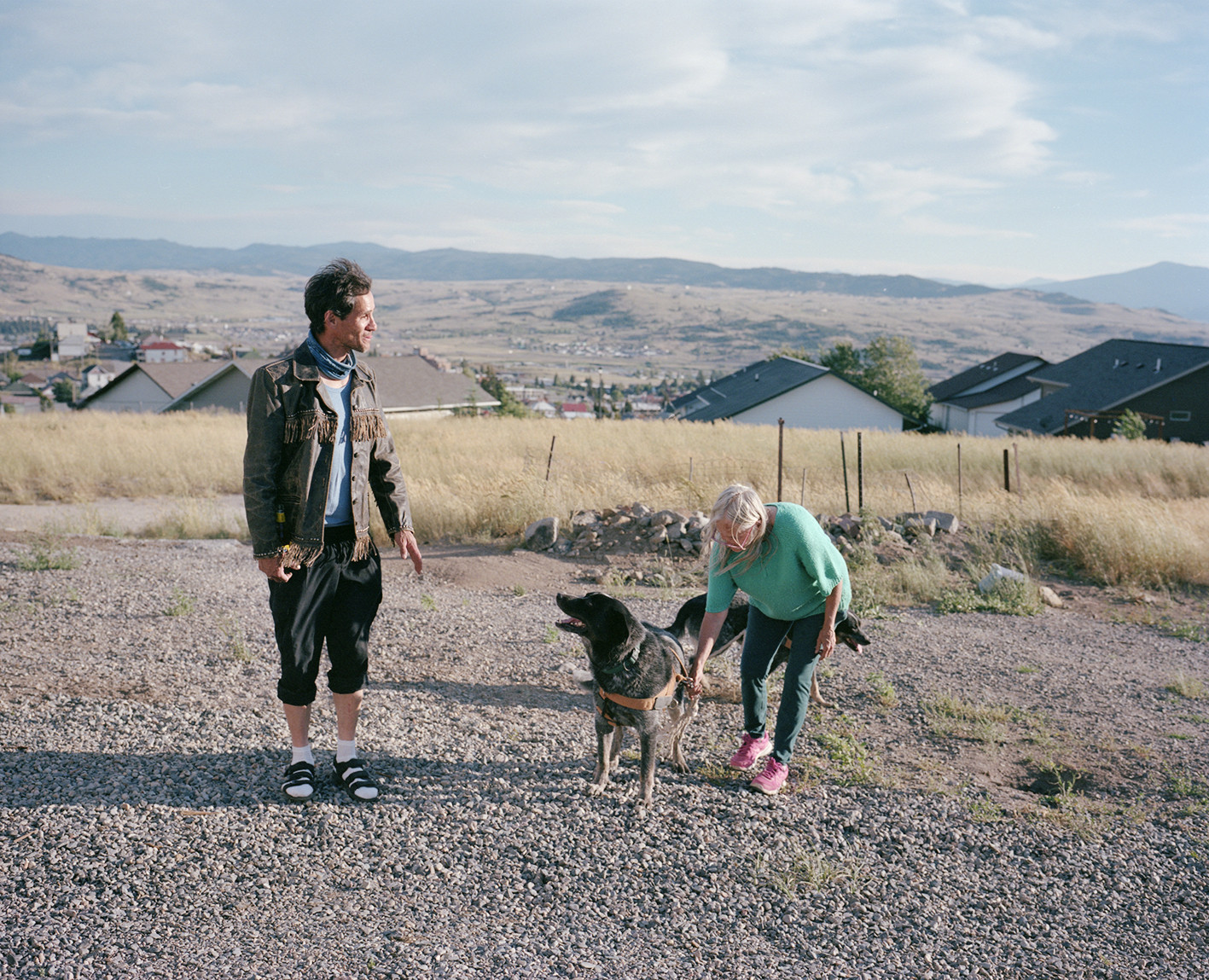
Exhibition Martine Dawson — « Faultlines » at the MEP
is currently on view at House Européenne of the Photographie.
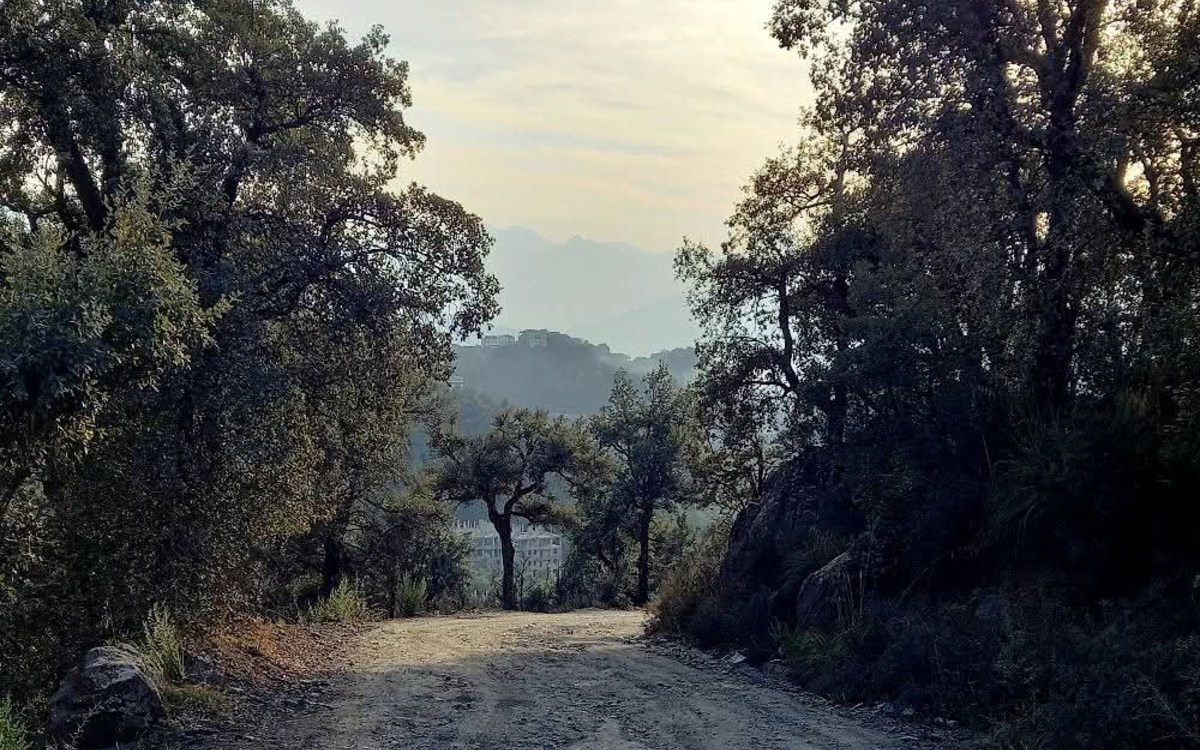
Places, encounters and feelings: photographs and poetry by Rabah Bellili
is currently on view at Library Louise Walser Gaillard.
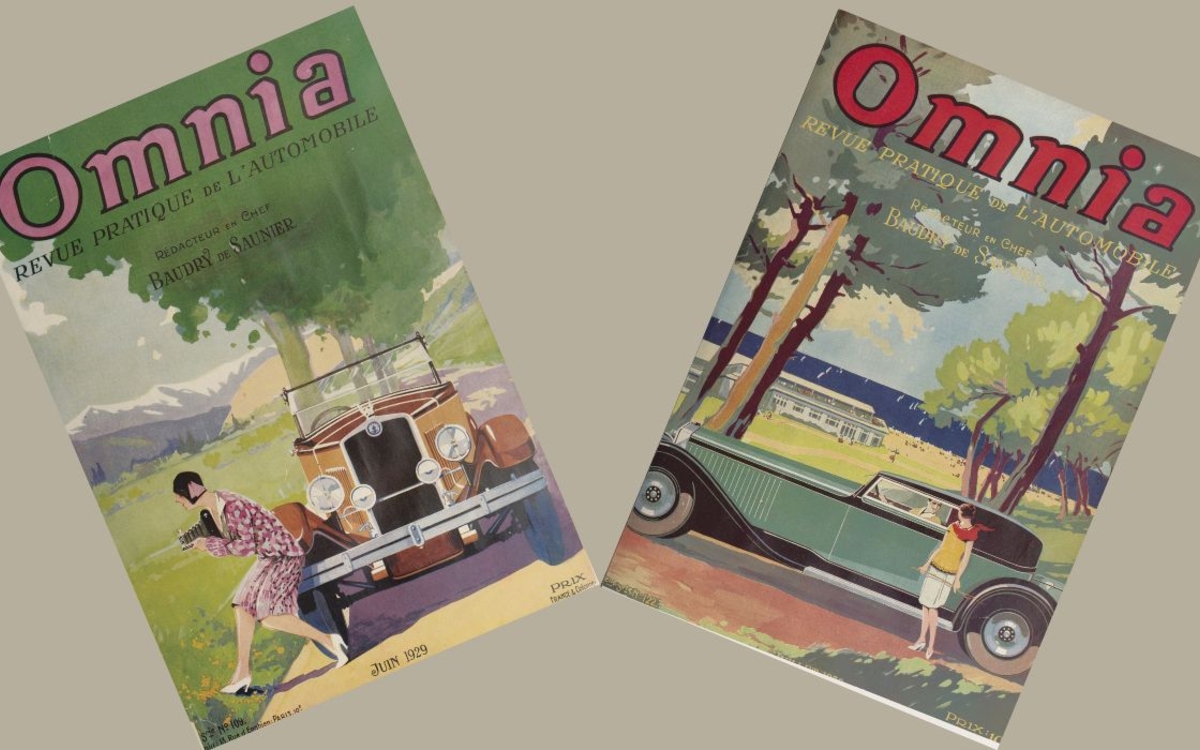
Stylish, chic in a car! Exhibition
is currently on view at Library of the Tourisme and of Voyages Germaine Tillion Btv.
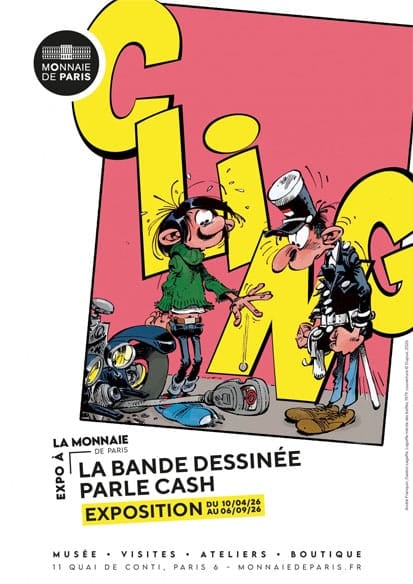
Cling: Comics talk cash
is currently on view at Musée de la Monnaie de Paris.
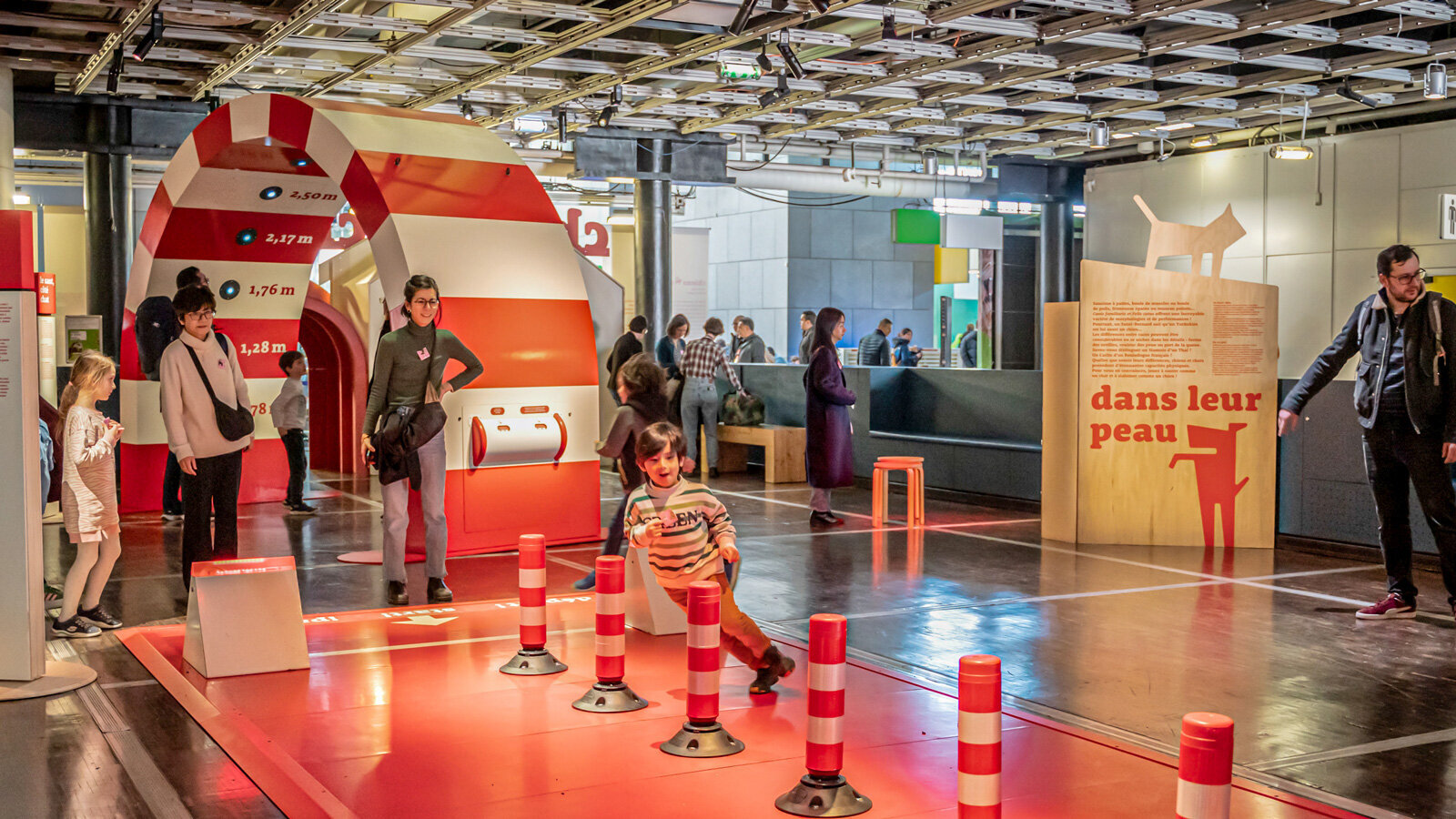
Dogs and Cats
is currently on view at Cite des Sciences et de l'Industrie.
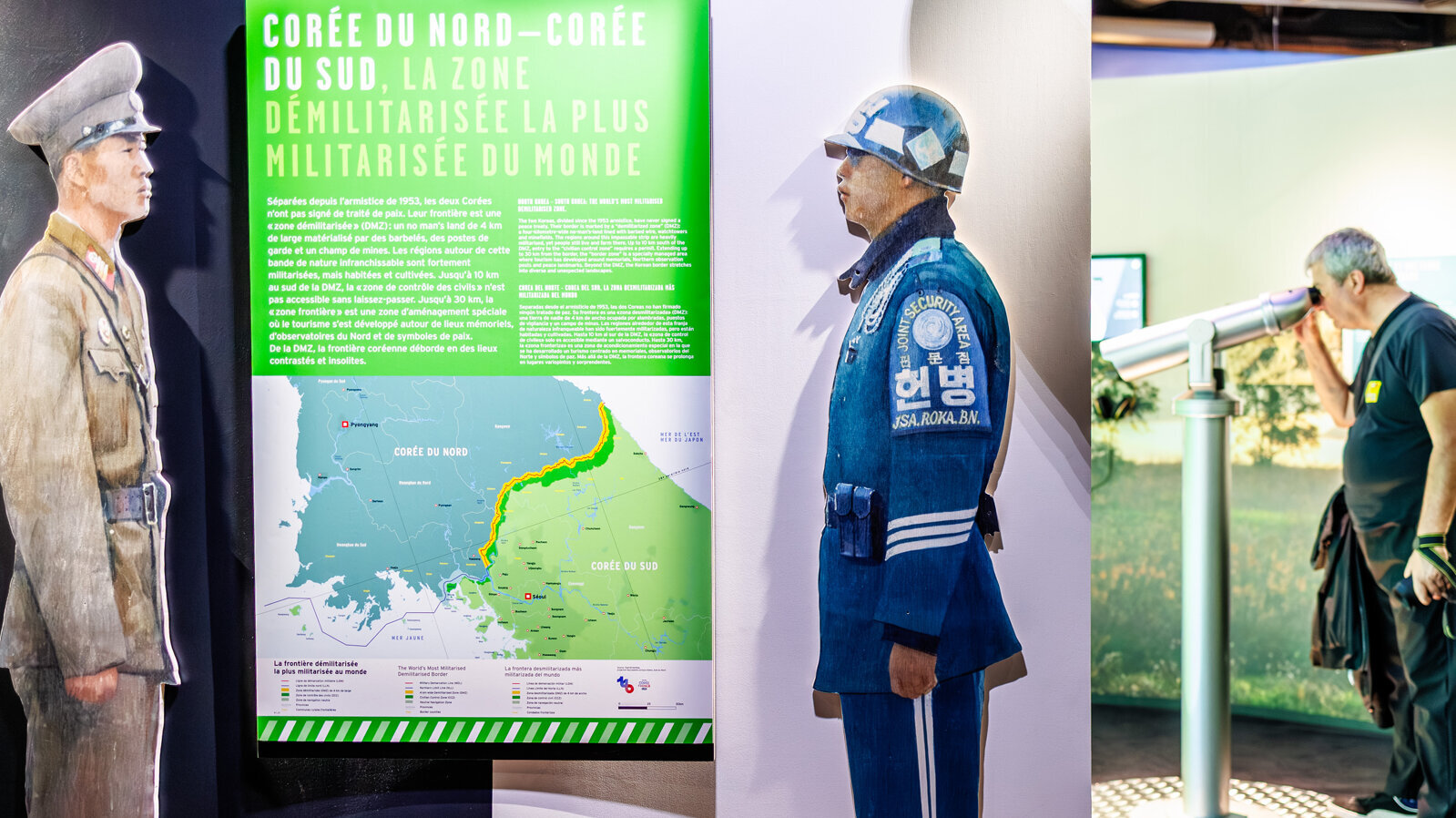
Frontière
is currently on view at Cite des Sciences et de l'Industrie.
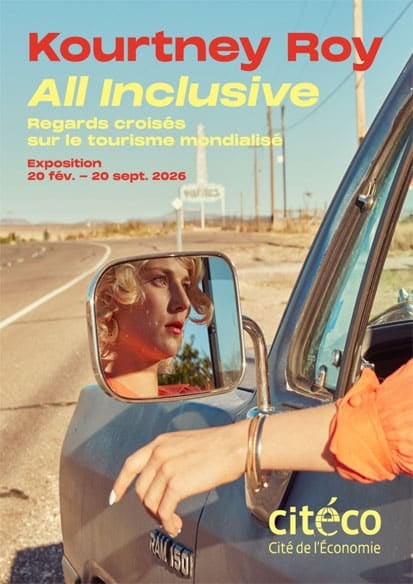
Kourtney Roy: All Inclusive
is currently on view at Citeco.
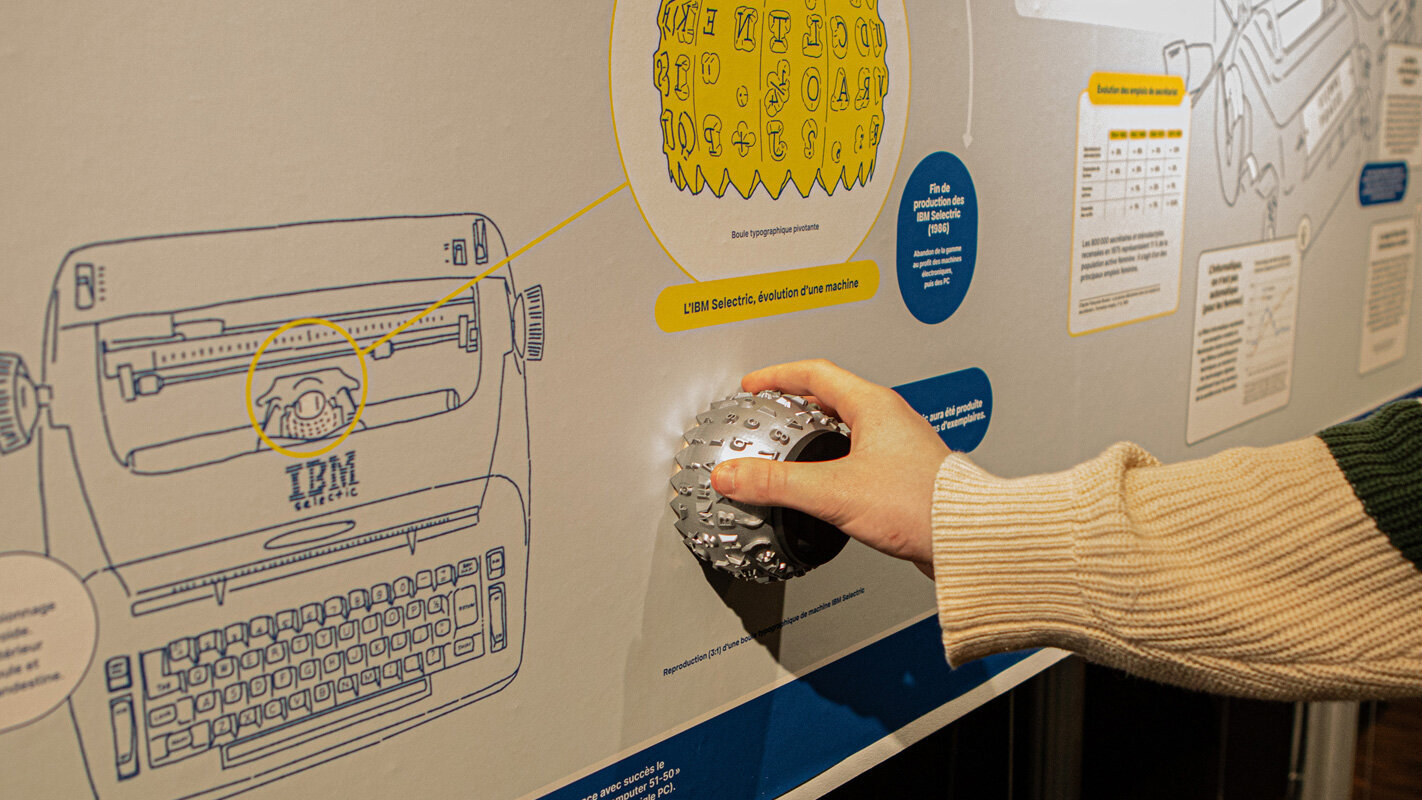
Reverse Gear #2: The Typewriter
is currently on view at Cite des Sciences et de l'Industrie.
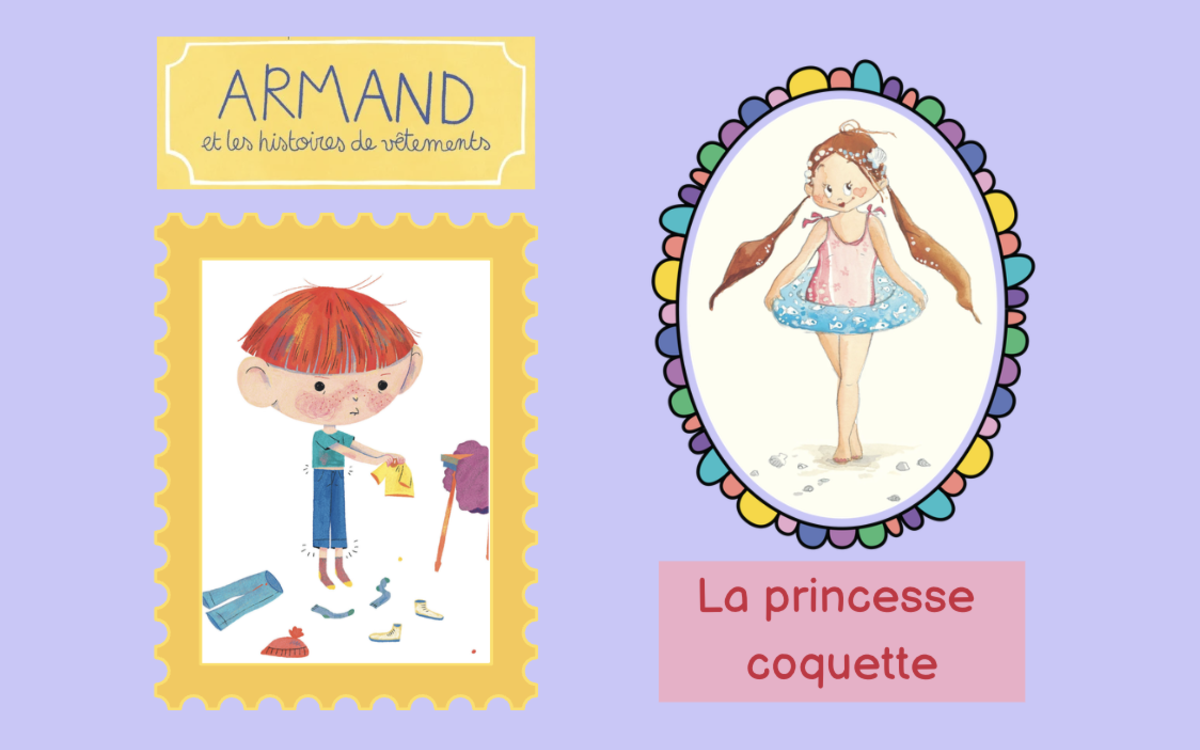
The Clothes of Armand and The Frivolous Princess
is currently on view at Library André Malraux.
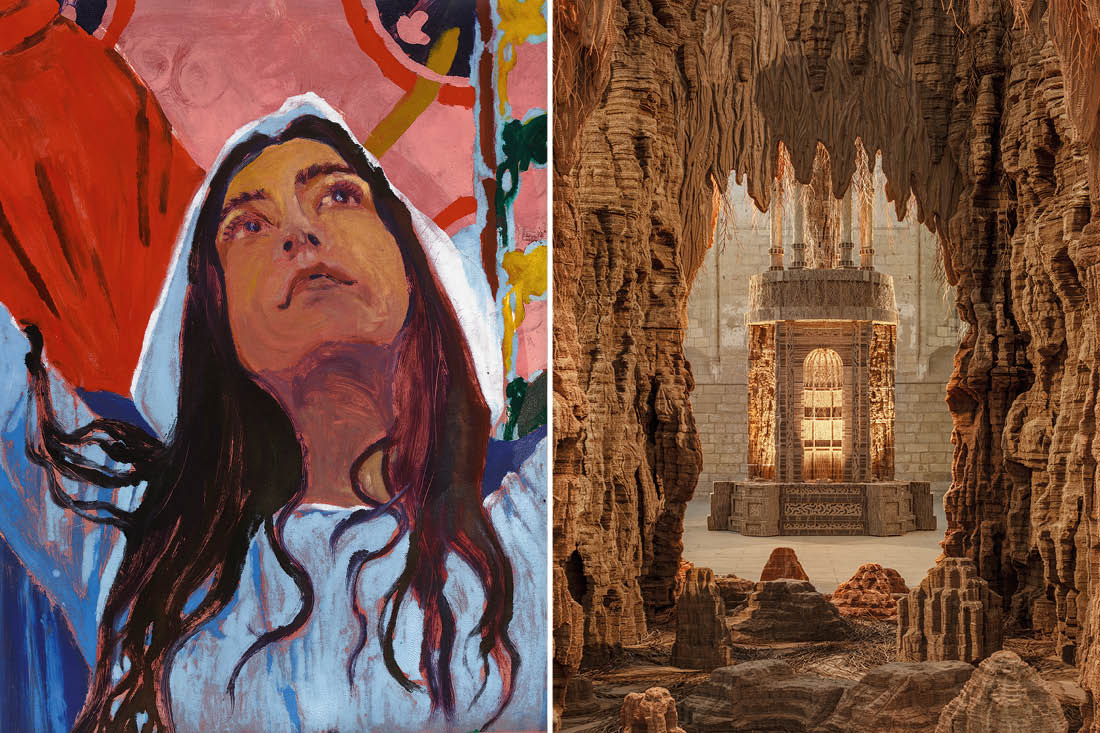
Eva Jospin et Claire Tabouret au Grand Palais
is currently on view at Grand Palais.
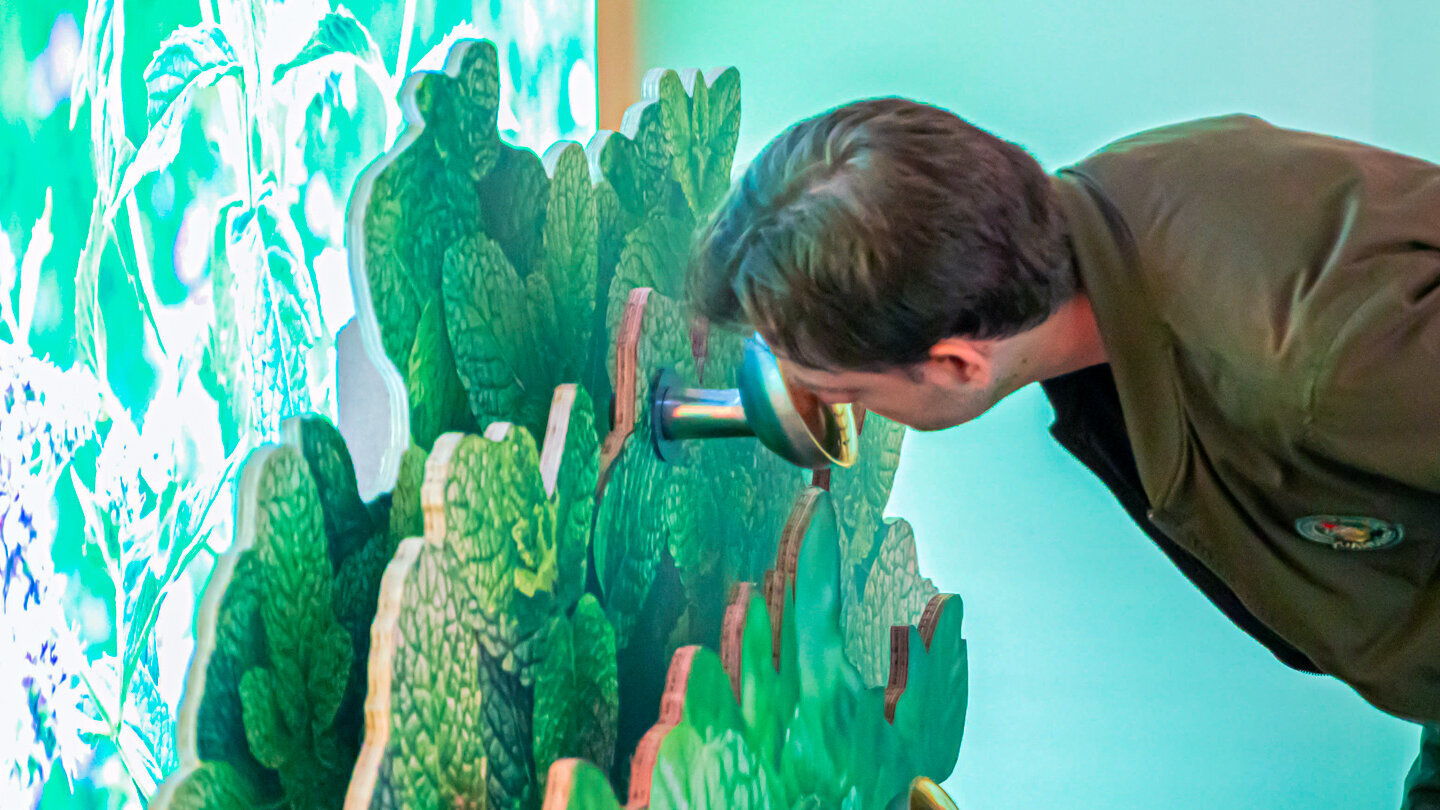
Jardiner
is currently on view at Cite des Sciences et de l'Industrie.
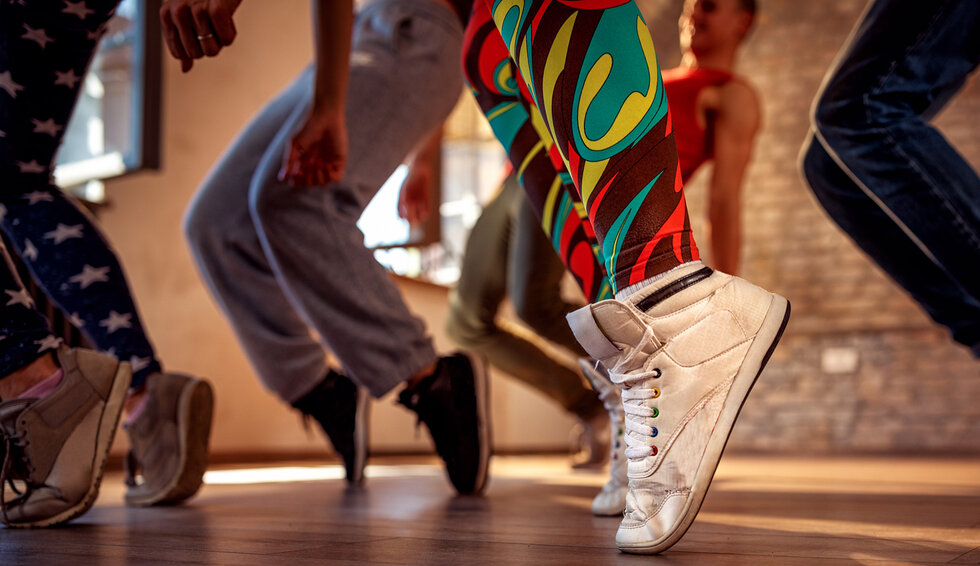
To Dance
is currently on view at Cite des Sciences et de l'Industrie.
Explore this period
Artists, movements and subjects already linked to this historical frame.