Madame de Sévigné. Parisian Letters
At the Musée Carnavalet – Histoire de Paris, Madame de Sévigné. Parisian Letters places a major literary figure within the city that nourished her gaze. From April 15 to August 23, 2026, the exhibition marks the 400th anniversary of the birth of Marie de Rabutin-Chantal, marquise de Sévigné, born in 1626 and dead in 1...
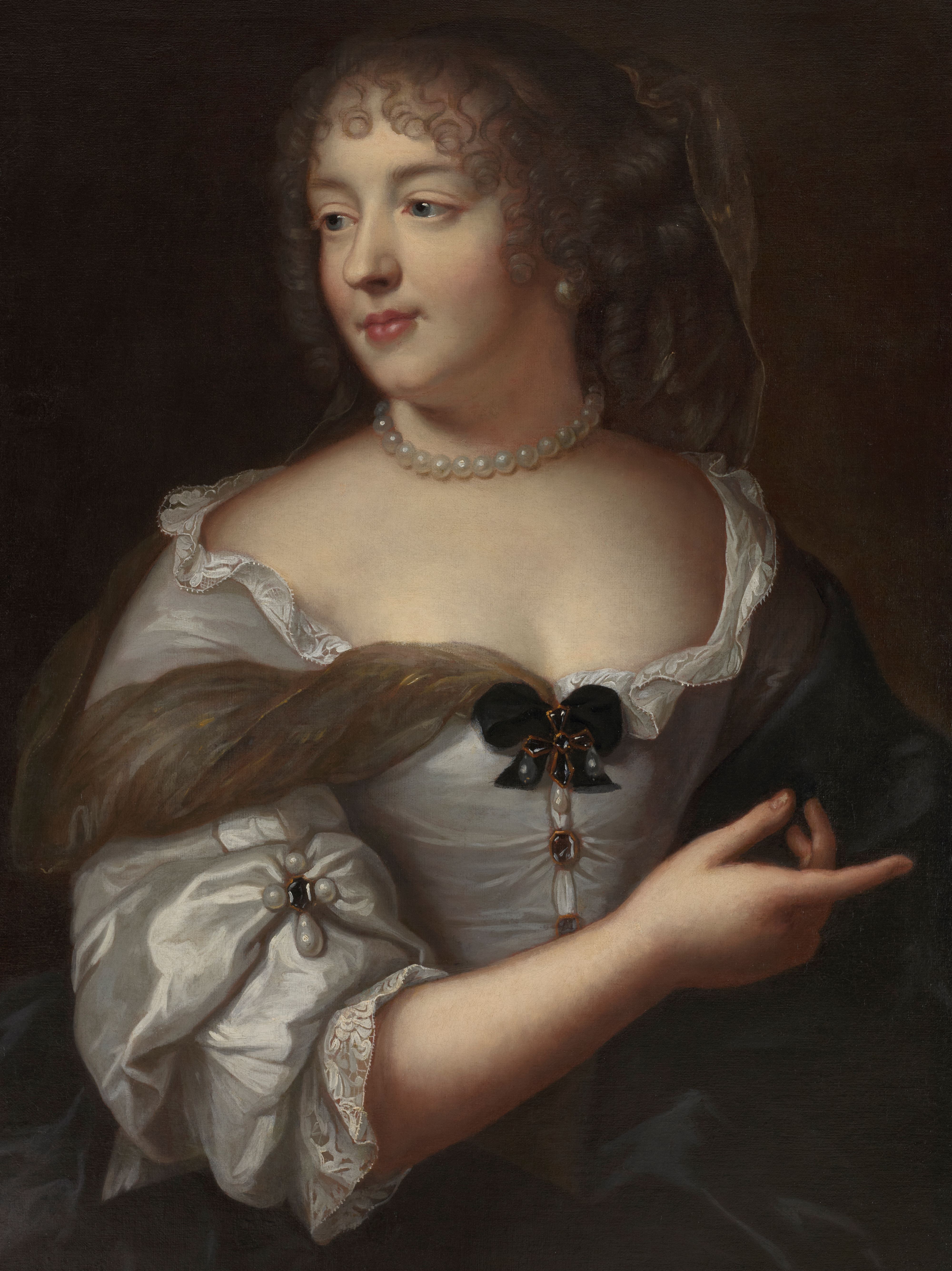


The exhibition
Visit description
At the Musée Carnavalet – Histoire de Paris, Madame de Sévigné. Parisian Letters places a major literary figure within the city that nourished her gaze. From April 15 to August 23, 2026, the exhibition marks the 400th anniversary of the birth of Marie de Rabutin-Chantal, marquise de Sévigné, born in 1626 and dead in 1.
What to look for
To discover Madame de Sévigné in her Parisian setting, and not only as a name from a school textbook. The exhibition connects literature, urban history and women’s place in gallant culture. The more than 200 works give concrete substance to 17th-century Paris.
Practical reading
Madame de Sévigné. Parisian Letters is listed with its main venue, date and booking signals so the page can support planning as well as editorial browsing.
Overview
At the Musée Carnavalet – Histoire de Paris, Madame de Sévigné. Parisian Letters places a major literary figure within the city that nourished her gaze. From April 15 to August 23, 2026, the exhibition marks the 400th anniversary of the birth of Marie de Rabutin-Chantal, marquise de Sévigné, born in 1626 and dead in 1...
Carnavalet celebrates Madame de Sévigné’s 400th anniversary by linking her letters, the hôtel where she lived and the social, political and gallant Paris of the 17th century.
On Expo Paris, Madame de Sévigné. Parisian Letters is most useful when it is read not only as a single event but as part of a broader route through Museum Carnavalet Histoire of Paris, where exhibitions, artists and editorial themes can be compared quickly in English. This page becomes easier to place when it is connected to Rococo.
For an English reader, the point of this page is also practical: it clarifies the venue, dates and booking context, then opens clear paths toward related exhibitions, artists and subjects so that the visit does not remain isolated. 3 related exhibition pages are already close enough to help compare tone, period or venue.
Why go
To discover Madame de Sévigné in her Parisian setting, and not only as a name from a school textbook. The exhibition connects literature, urban history and women’s place in gallant culture. The more than 200 works give concrete substance to 17th-century Paris.
["400th anniversary of Madame de Sévigné’s birth","More than 200 works around 17th-century Paris","The hôtel Carnavalet, where she lived from 1677 to 1696","A look at gallant culture and women’s place"]
Related exhibitions

Révéler le féminin
is on view at Musée Cognacq-Jay.
Textile exhibition at Palais Galliera
is currently on view at Palais Galliera.
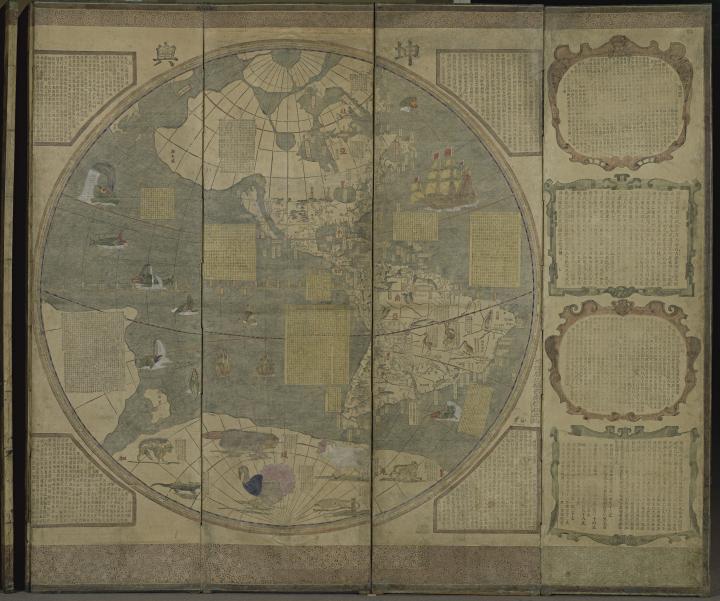
Prints exhibition at Musée Guimet
is currently on view at Musée Guimet.