Salomé. Henner and Moreau Face the Myth
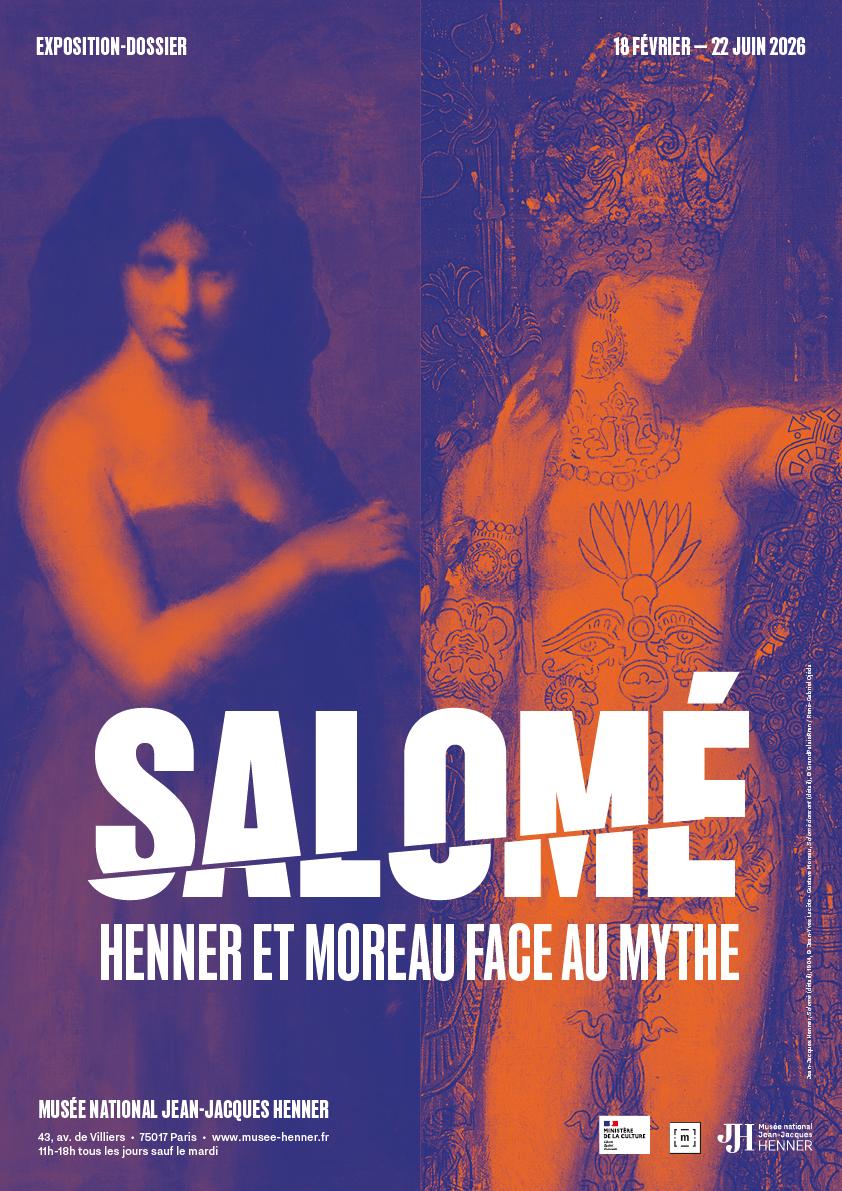
At the end of the 19th century, Salomé concentrated desire, violence, religious mystery, and Symbolist imagination. The Musée Jean-Jacques Henner invites visitors to view this myth through two very different temperaments. Gustave Moreau made it an obsession: he multiplied the variations and pushed the detail so far th...
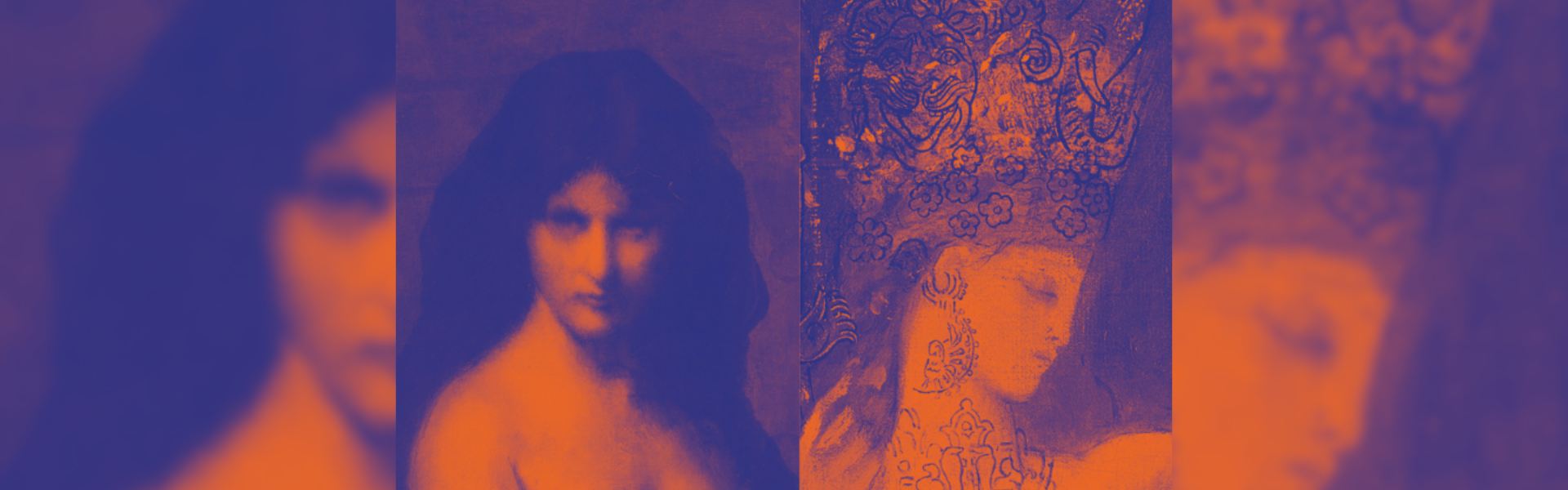

© Musée Jean-Jacques Henner
The exhibition
Visit description
At the end of the 19th century, Salomé concentrated desire, violence, religious mystery, and Symbolist imagination. The Musée Jean-Jacques Henner invites visitors to view this myth through two very different temperaments. Gustave Moreau made it an obsession: he multiplied the variations and pushed the detail so far th.
What to look for
To understand how two artists constructed nearly inverse images from the same myth. Moreau attracted through the excess of detail, Henner through radical reduction. This comparison provides a clear entry into the imagination of the end of the 19th century.
Practical reading
Salomé. Henner and Moreau Face the Myth is listed with its main venue, date and booking signals so the page can support planning as well as editorial browsing.
Overview
At the end of the 19th century, Salomé concentrated desire, violence, religious mystery, and Symbolist imagination. The Musée Jean-Jacques Henner invites visitors to view this myth through two very different temperaments. Gustave Moreau made it an obsession: he multiplied the variations and pushed the detail so far th...
The Henner Museum confronts two Salomes: Gustave Moreau's exuberant obsession and Jean-Jacques Henner's bare figure holding the head of Saint John the Baptist.
On Expo Paris, Salomé. Henner and Moreau Face the Myth is most useful when it is read not only as a single event but as part of a broader route through Museum Jean Jacques Henner, where exhibitions, artists and editorial themes can be compared quickly in English. This page becomes easier to place when it is connected to Rococo.
For an English reader, the point of this page is also practical: it clarifies the venue, dates and booking context, then opens clear paths toward related exhibitions, artists and subjects so that the visit does not remain isolated. 3 related exhibition pages are already close enough to help compare tone, period or venue.
Why go
To understand how two artists constructed nearly inverse images from the same myth. Moreau attracted through the excess of detail, Henner through radical reduction. This comparison provides a clear entry into the imagination of the end of the 19th century.
["Salomé myth recontextualized at the end of the 19th century.","The obsessive variations of Gustave Moreau.","Henner's Salomé holding the head of Saint John the Baptist.","An opposition between saturated decor and an i...
["Salomé myth recontextualized at the end of the 19th century.","The obsessive variations of Gustave Moreau.","Henner's Salomé holding the head of Saint John the Baptist.","An opposition between saturated decor and an image without accesso...
Related exhibitions

Révéler le féminin
is on view at Musée Cognacq-Jay.

Textile exhibition at Palais Galliera
is currently on view at Palais Galliera.
Prints exhibition at Musée Guimet
is currently on view at Musée Guimet.