Work in the 19th Century. A Trail at the Musée d'Orsay
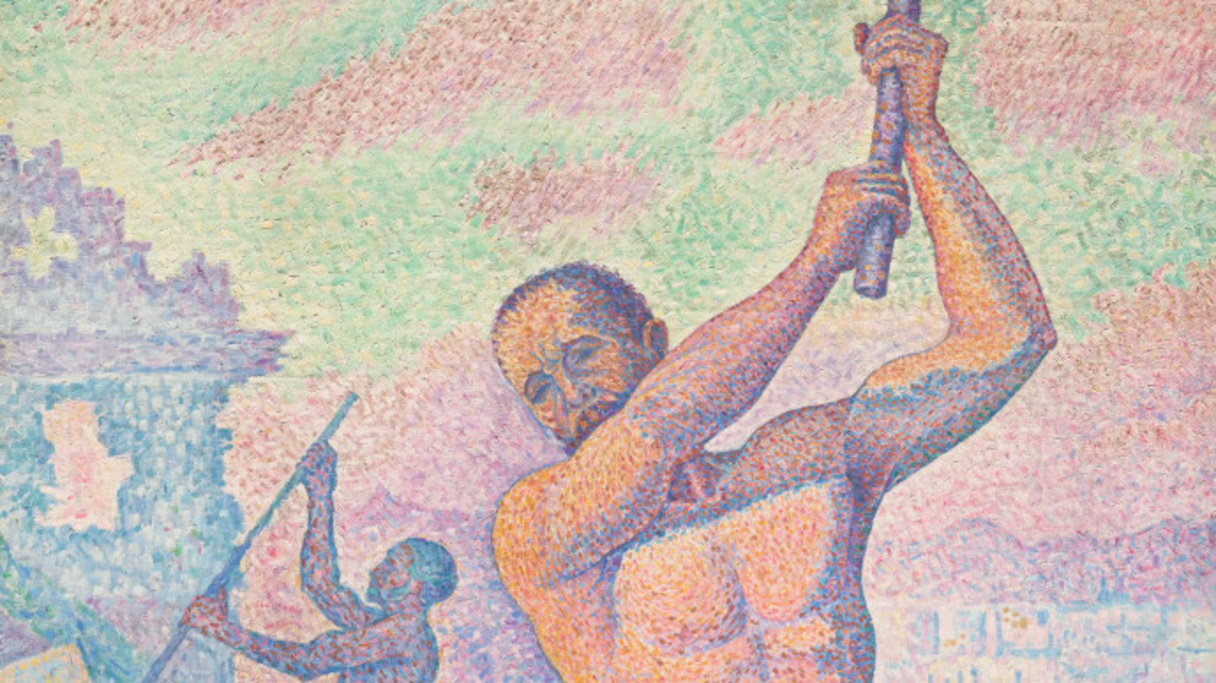
Peasants, workers, artisans: the 19th century brought the world of labor into art. The Musée d'Orsay, rich in works from this period, offers a thematic trail to explore the subject. Part of the national campaign "100 works that tell the story of work," this itinerary invites visitors to move through the collections fo...
The exhibition
Visit description
Peasants, workers, artisans: the 19th century brought the world of labor into art. The Musée d'Orsay, rich in works from this period, offers a thematic trail to explore the subject. Part of the national campaign "100 works that tell the story of work," this itinerary invites visitors to move through the collections fo.
What to look for
To reread the Orsay collections through the lens of work and society. The trail sheds light on a theme often neglected in 19th-century art history. An accessible and stimulating reading, to follow from Room 69.
Practical reading
Work in the 19th Century. A Trail at the Musée d'Orsay is listed with its main venue, date and booking signals so the page can support planning as well as editorial browsing.
Overview
Peasants, workers, artisans: the 19th century brought the world of labor into art. The Musée d'Orsay, rich in works from this period, offers a thematic trail to explore the subject. Part of the national campaign "100 works that tell the story of work," this itinerary invites visitors to move through the collections fo...
The Musée d'Orsay offers a trail on the representation of work in the 19th century, as part of the national campaign "100 works that tell the story of work."
On Expo Paris, Work in the 19th Century. A Trail at the Musée d'Orsay is most useful when it is read not only as a single event but as part of a broader route through Musée d'Orsay, where exhibitions, artists and editorial themes can be compared quickly in English. This page becomes easier to place when it is connected to the strongest editorial routes already available on the site.
For an English reader, the point of this page is also practical: it clarifies the venue, dates and booking context, then opens clear paths toward related exhibitions, artists and subjects so that the visit does not remain isolated. 3 related exhibition pages are already close enough to help compare tone, period or venue.
Why go
To reread the Orsay collections through the lens of work and society. The trail sheds light on a theme often neglected in 19th-century art history. An accessible and stimulating reading, to follow from Room 69.
["A thematic trail at the heart of the Musée d'Orsay collections.","The representation of work in the 19th century, from the fields to the factory.","A contribution to the national campaign \"100 works that tell the sto...
["A thematic trail at the heart of the Musée d'Orsay collections.","The representation of work in the 19th century, from the fields to the factory.","A contribution to the national campaign \"100 works that tell the story of work.\"","An i...
Related exhibitions
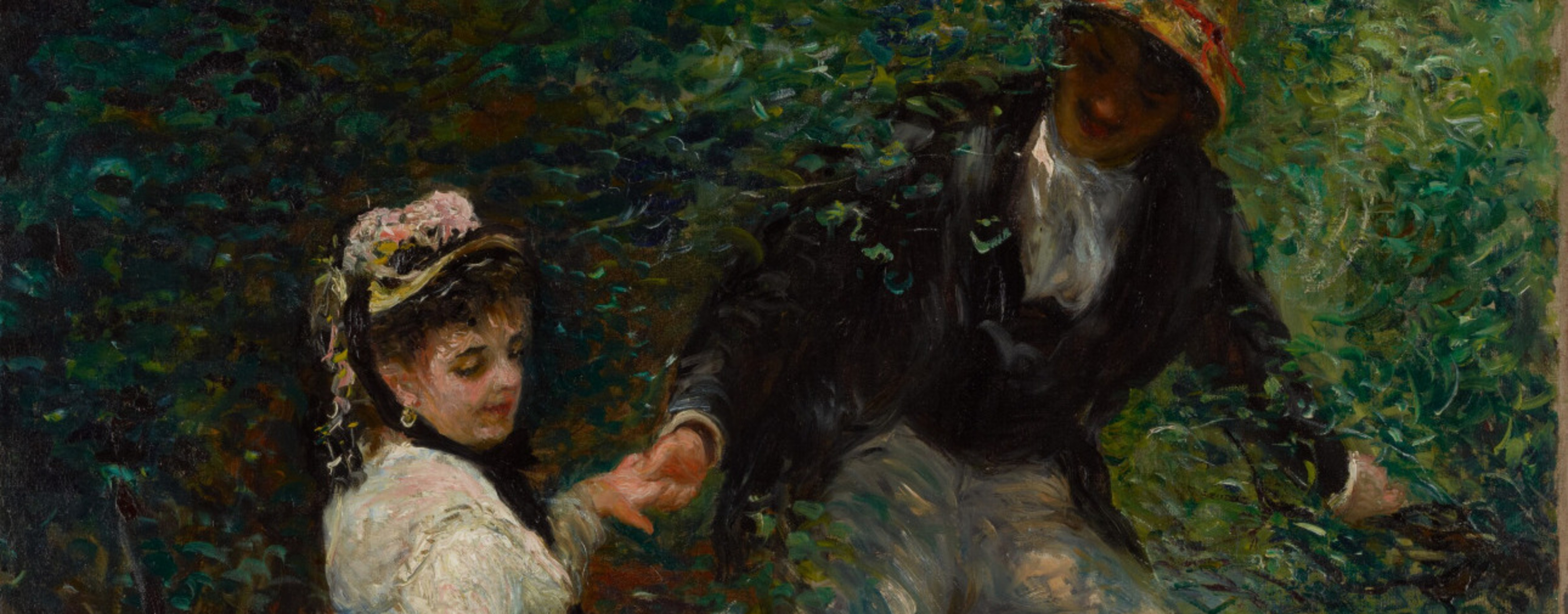
Renoir and Love: A Joyful Modernity, 1865-1885
is currently on view at Musée d'Orsay.
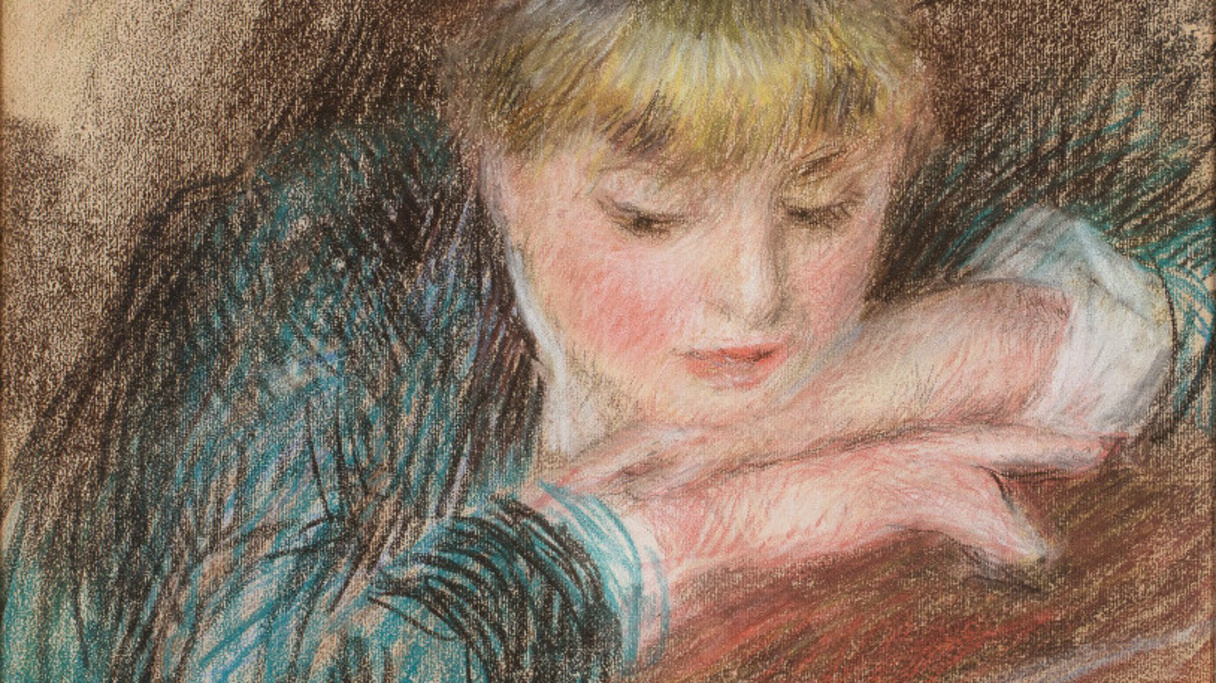
Drawings by Renoir
is currently on view at Musée d'Orsay.

Trail "100 Works That Tell the Story of Work": Working in the Nineteenth Century
is currently on view at Musée d'Orsay.