Musée de l'Orangerie
Paris
In 2026, the centenary of the death of Claude Monet (1840-1926) offers a chance to look at his work in a new way. Rather than laying out a retrospective, the Musée de l'Orangerie chooses a precise thread: the painter's relationship with time. As early as the 1870s, Monet established himself as the leading figure of Im...
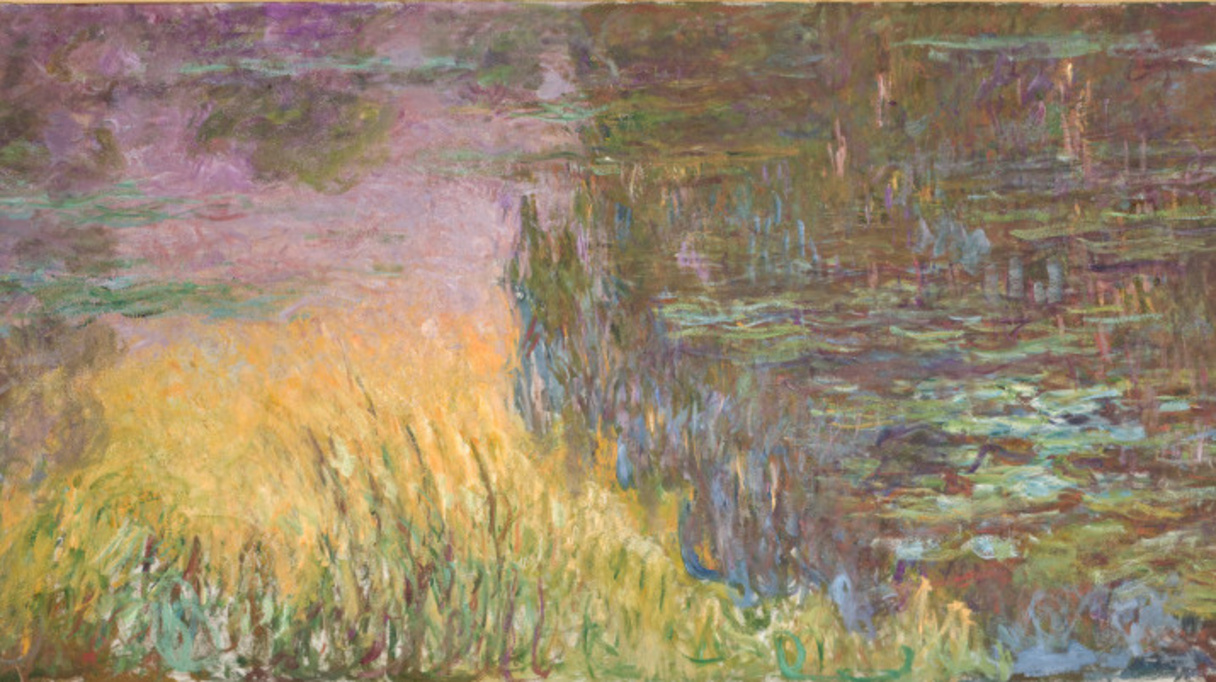
A fast English reading of the key exhibition signals already available in the catalogue.
Paris
Upcoming
The shortest useful way to understand what this exhibition is about.
In 2026, the centenary of the death of Claude Monet (1840-1926) offers a chance to look at his work in a new way. Rather than laying out a retrospective, the Musée de l'Orangerie chooses a precise thread: the painter's relationship with time. As early as the 1870s, Monet established himself as the leading figure of Im...
For the centenary of Monet's death, the Orangerie devotes an exhibition to the painter's relationship with time: the Impressionist moment, the return of the seasons, and duration, where the Water Lilies keep watch.
A slightly wider English reading when the source page is still concise.
On Expo Paris, Monet: Painting Time is most useful when it is read not only as a single event but as part of a broader route through Musée de l'Orangerie, where exhibitions, artists and editorial themes can be compared quickly in English. This page becomes easier to place when it is connected to the strongest editorial routes already available on the site.
For an English reader, the point of this page is also practical: it clarifies the venue, dates and booking context, then opens clear paths toward related exhibitions, artists and subjects so that the visit does not remain isolated. 3 related exhibition pages are already close enough to help compare tone, period or venue.
The strongest reasons to open the page, compare it, or book it.
To rediscover Monet through an entry point more subtle than the usual retrospective. His relationship with time sheds fresh light on a painter we think we know. And the venue, home to the Water Lilies, naturally extends the reflection.
["An exhibition for the centenary of the death of Claude Monet (1840-1926).","An original guiding thread: the painter's relationship with time.","The leading figure of Impressionism, from the captured moment to the dura...
["An exhibition for the centenary of the death of Claude Monet (1840-1926).","An original guiding thread: the painter's relationship with time.","The leading figure of Impressionism, from the captured moment to the duration of the seasons....
In 2026, the centenary of the death of Claude Monet (1840-1926) offers a chance to look at his work in a new way. Rather than laying out a retrospective, the Musée de l'Orangerie chooses a precise thread: the painter's relationship with time. As early as the 1870s, Monet established himself as the leading figure of Im.
To rediscover Monet through an entry point more subtle than the usual retrospective. His relationship with time sheds fresh light on a painter we think we know. And the venue, home to the Water Lilies, naturally extends the reflection.
Monet: Painting Time is listed with its main venue, date and booking signals so the page can support planning as well as editorial browsing.
On Expo Paris, Monet: Painting Time is most useful when it is read not only as a single event but as part of a broader route through Musée de l'Orangerie, where exhibitions, artists and editorial themes can be compared quickly in English. This page becomes easier to place when it is connected to the strongest editorial routes already available on the site.
For an English reader, the point of this page is also practical: it clarifies the venue, dates and booking context, then opens clear paths toward related exhibitions, artists and subjects so that the visit does not remain isolated. 3 related exhibition pages are already close enough to help compare tone, period or venue.

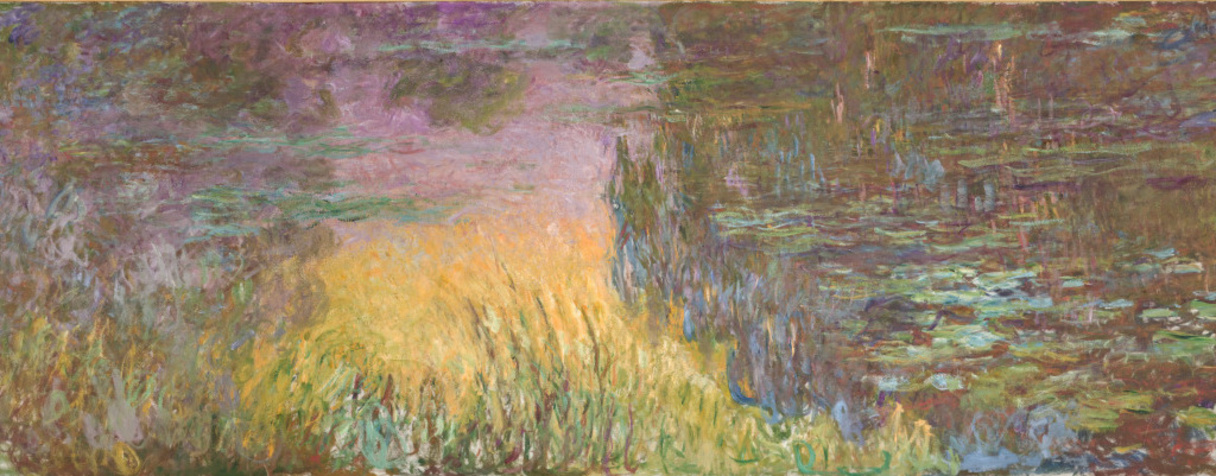
Other exhibition pages already close to this one through venue, movement, artist or theme.

is currently on view at Musée de l'Orangerie.

is currently on view at Musée de l'Orangerie.

is currently on view at Musée de l'Orangerie.