End of the 19th Century - Beginning of the 20th Century designates the turning point period where symbolism, art nouveau, modernism, photography, design and avant-gardes prepare the 20th century. It is not only a classification label: it is a way to understand what exhibitions show us, the questions they raise and the public they may reach. Historical context is essential. Around 1880-1914, metropolises, posters, magazines, decorative arts and image sciences displace the forms of modernity. Reading an exhibition through this prism therefore allows to situate works in a chronology, but also in usages: commission, collection, transmission, criticism, market, memory or experimentation. Exhibitions often evoke Mucha, Gallé, Klimt, Rodin, Toulouse-Lautrec, the Nabis, pictorialist photographers or furniture and poster makers. In the Expo Paris corpus, this hub can notably dialogue with Victor Hugo Décorateur, Visages d'artistes and Face au ciel. These connections do not replace a critical visit: they serve as entry points to move from one exhibition to another and compare the choices of scenography, sources and mediation. This period counts because it shows the transition from historical taste to modern invention. It relates industry, decoration, body, city and new images. To prepare a visit, it is useful to observe the dates, supports, lenders, the place of archives, the presence of female artists or less known scenes, as well as the links proposed to other themes, movements and Parisian places. On Expo Paris, the page /fr/epoques/fin-xixe-debut-xxe/ is intended to become a navigation dossier: it gathers the associated exhibitions, clarifies concepts and helps to choose between historical approach, artist discovery, heritage reading or contemporary experience.
Late 19th to early 20th century
End of the 19th Century - Beginning of the 20th Century is an era to follow in order to understand the turning point period where symbolism, art nouveau, modernism, photography, design and avant-gardes prepare the 20th century; this page gathers 3 exhibitions...
Period overview
Useful background to understand this period and the linked exhibitions.
How to use this page
A practical reading of the period through linked artists, movements and subjects already present on the site.
Late 19th to early 20th century is useful on Expo Paris because it places exhibitions inside a readable chronology instead of leaving them as isolated events. 7 linked exhibitions already give this page a concrete editorial role in the English navigation.
This period becomes more legible when read through artists such as Henri Rousseau, Annette Messager, and Victor Hugo. Movements like Post-Impressionism, Impressionism, and Modern art help explain its formal and cultural tensions. Subjects such as Portraits of artists show how the same era can be approached from several angles.
Core reading anchors
Direct links to the artists, movements and subjects that make this period easier to browse in English.
- Henri Rousseau - 1 exhibition
- Annette Messager - 1 exhibition
- Victor Hugo - 1 exhibition
- Post-Impressionism - 3 exhibitions
- Impressionism - 2 exhibitions
- Modern art - 2 exhibitions
- Portraits of artists - 1 exhibition
- Cinema and photography
- Art Nouveau
- haute-couture
Core editorial routes
Stable English routes that keep this period connected to the main catalogue and discovery layers.
These routes preserve a reliable reading path in English, even before every related historical branch has been reopened in strict mode.
Linked exhibitions
Exhibitions already available through this period page.
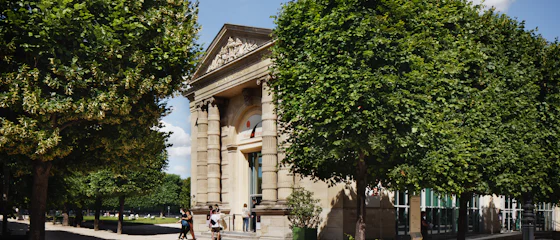
Henri Rousseau: The Ambition of a Painter
is currently on view at Musée de l'Orangerie.
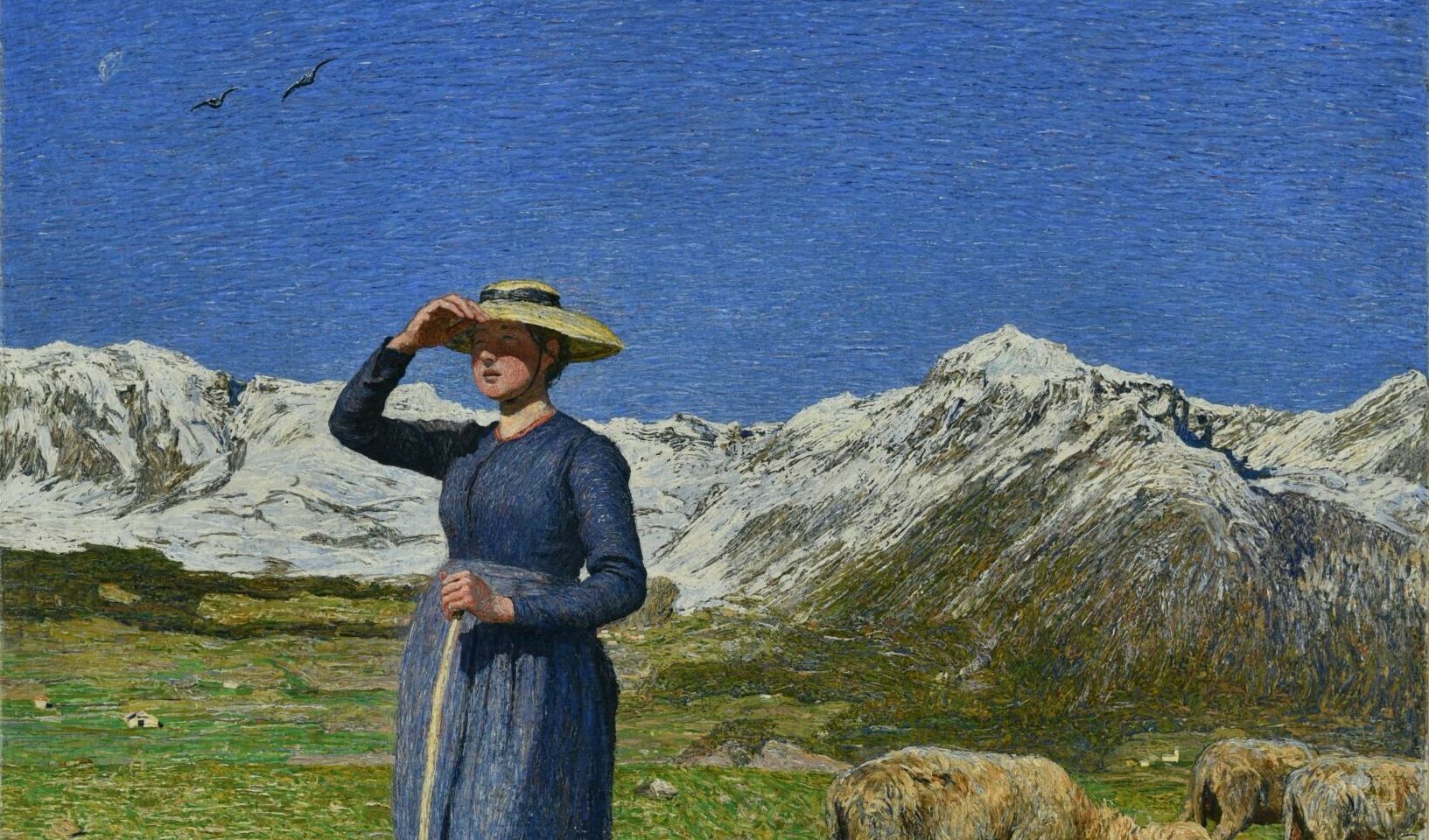
Giovanni Segantini
is currently on view at Musée Marmottan Monet.

Rodin Studio
is currently on view at Musée Rodin.
Youssef Nabil. De rêver encore
is currently on view at Musée d'Orsay.
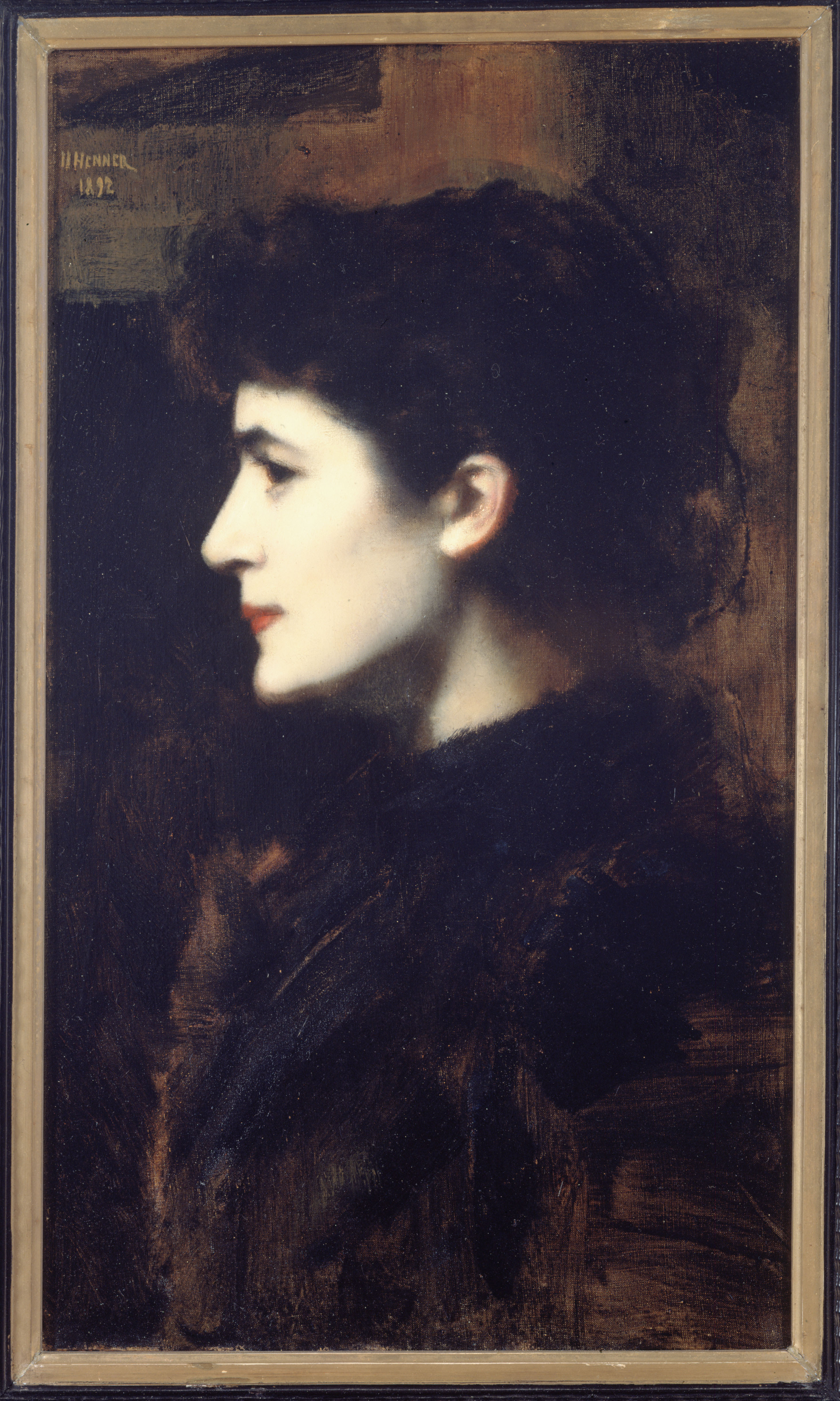
Visages d'artistes
is on view at Petit Palais.
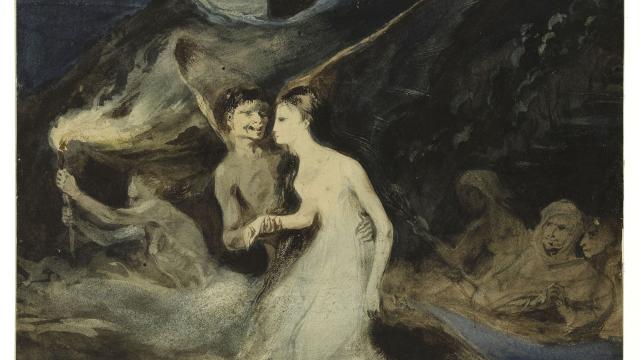
Victor Hugo as Decorator
is currently on view at Victor Hugo House.

Facing the Sky
is currently on view at Musée de la Vie Romantique.
Explore this period
Artists, movements and subjects already linked to this historical frame.