
1940s is a period for reading Paris exhibitions through wartime displacement, resistance images, reconstruction, exile, abstraction, documentary photography and postwar shifts. It gives visitors a clear entry point before choosing a show: what to look at, which questions the display raises, and how the works connect to broader cultural history. In art history, 1940s matters because it links style, technique, patronage and social change instead of treating artworks as isolated images. Through wartime displacement, resistance images, reconstruction, exile, abstraction, documentary photography and postwar shifts, it reveals how visual forms circulate between workshops, institutions, collectors and audiences. It also helps place objects, artists and museum narratives within a precise historical frame. Related Paris exhibitions can include museum retrospectives, collection displays, archive-led shows and contemporary projects. Use this page to connect 1940s with artists, venues and formats across the season. For visitors, the useful question is not only whether an exhibition is about 1940s, but how strongly it uses that angle to organize the experience. Pay attention to dates, medium shifts, patronage and the historical vocabulary reused by later artists. When one show is listed, read it as a doorway into a larger museum conversation.
1940s
The 1940s run through Occupation, Resistance, Liberation and the immediate post-war years. Art was marked by historical violence, exile, reconstruction and the first shifts toward post-war abstraction.
Period overview
Useful background to understand this period and the linked exhibitions.
How to use this page
A practical reading of the period through linked artists, movements and subjects already present on the site.
1940s is useful on Expo Paris because it places exhibitions inside a readable chronology instead of leaving them as isolated events. 1 linked exhibition already give this page a concrete editorial role in the English navigation.
Core reading anchors
Direct links to the artists, movements and subjects that make this period easier to browse in English.
Core editorial routes
Stable English routes that keep this period connected to the main catalogue and discovery layers.
These routes preserve a reliable reading path in English, even before every related historical branch has been reopened in strict mode.
Linked exhibitions
Exhibitions already available through this period page.
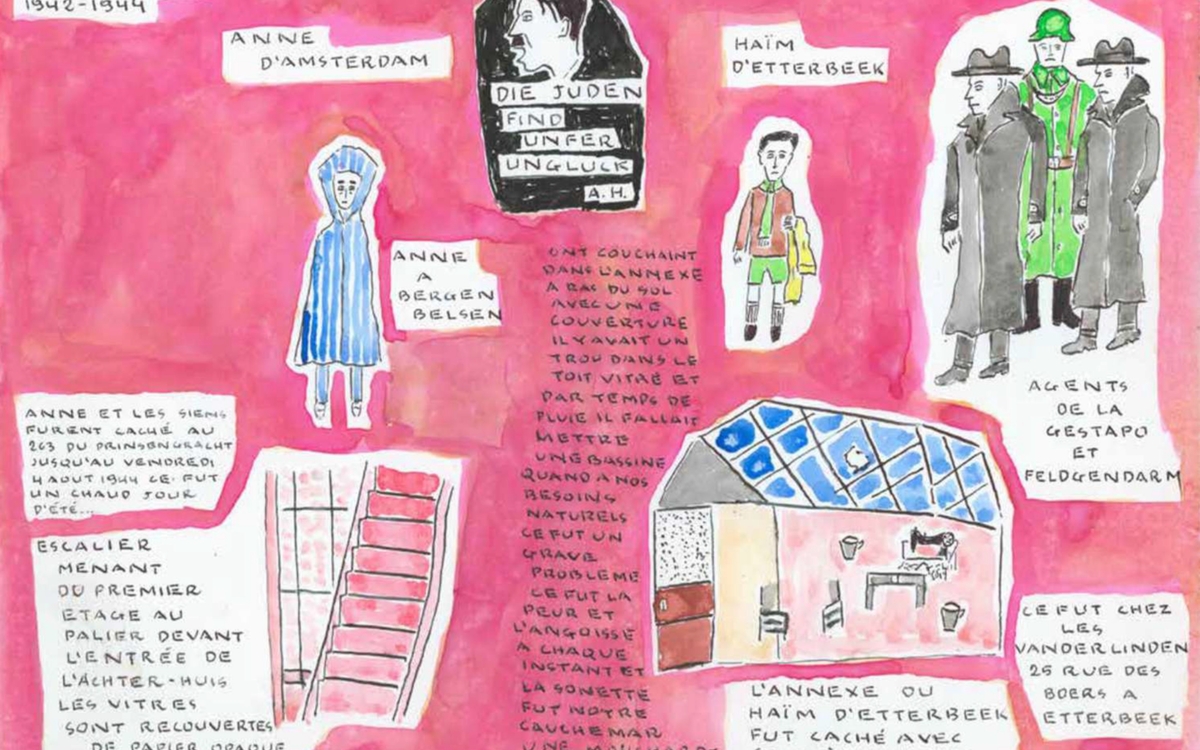
Chaïm Kaliski. "Jim d'Etterbeek"
is currently on view at Musée d'Art et d'Histoire du Judaïsme.
Explore this period
Artists, movements and subjects already linked to this historical frame.